This article contains affiliate links. If you buy through them, we may earn a commission at no extra cost to you.
Mastering the Art of Fashion Photography
Fashion photography is one of the most dynamic and creative forms of visual storytelling. Whether you're shooting for a brand campaign, personal portfolio, or social media content, capturing the perfect fashion shot requires a combination of technical skill, artistic vision, and attention to detail. The right approach can transform an ordinary outfit into an extraordinary visual statement.
Essential Lighting Techniques
Lighting is the foundation of exceptional fashion photography. Natural light remains the most flattering option for fashion shoots, particularly during the golden hour just after sunrise or before sunset. This soft, warm light enhances skin tones and creates a natural glow that artificial lighting often struggles to replicate.
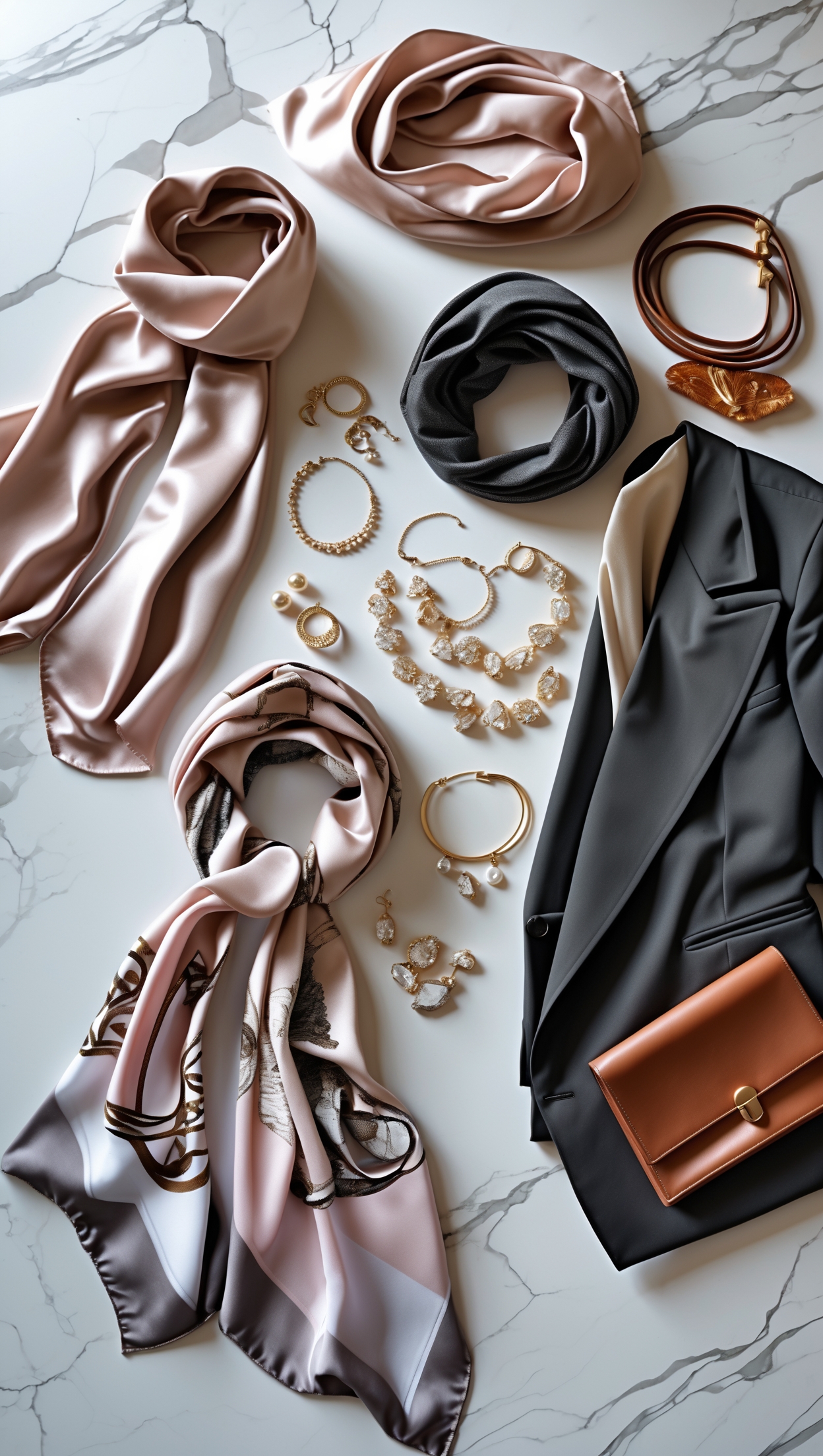
When shooting indoors, position your subject near large windows for diffused natural light. If you must use artificial lighting, invest in softboxes or ring lights to minimize harsh shadows. For jewelry photography, such as when showcasing pieces from La Joya Jewelry, use multiple light sources at different angles to capture the brilliance and sparkle of each piece.
Studio vs. Natural Light
Studio lighting offers complete control over your environment. Use a key light as your primary source, a fill light to reduce shadows, and a background light to separate your subject from the backdrop. However, natural light provides authenticity and warmth that resonates particularly well in lifestyle fashion photography.
Composition and Framing
Strong composition elevates fashion photography from simple documentation to compelling art. The rule of thirds works exceptionally well in fashion shoots – place your subject's eyes or key fashion elements along these intersecting lines for maximum impact.
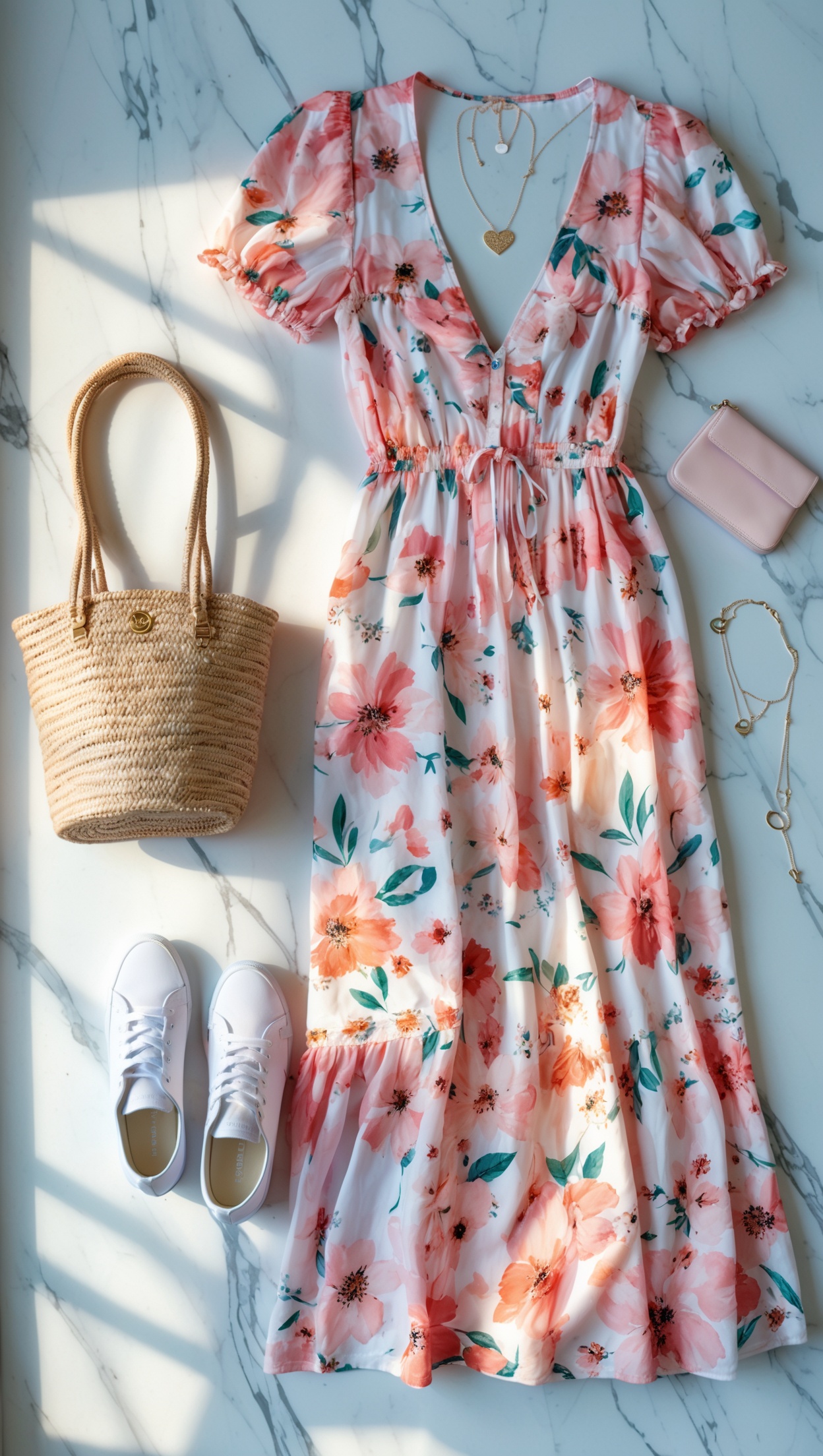
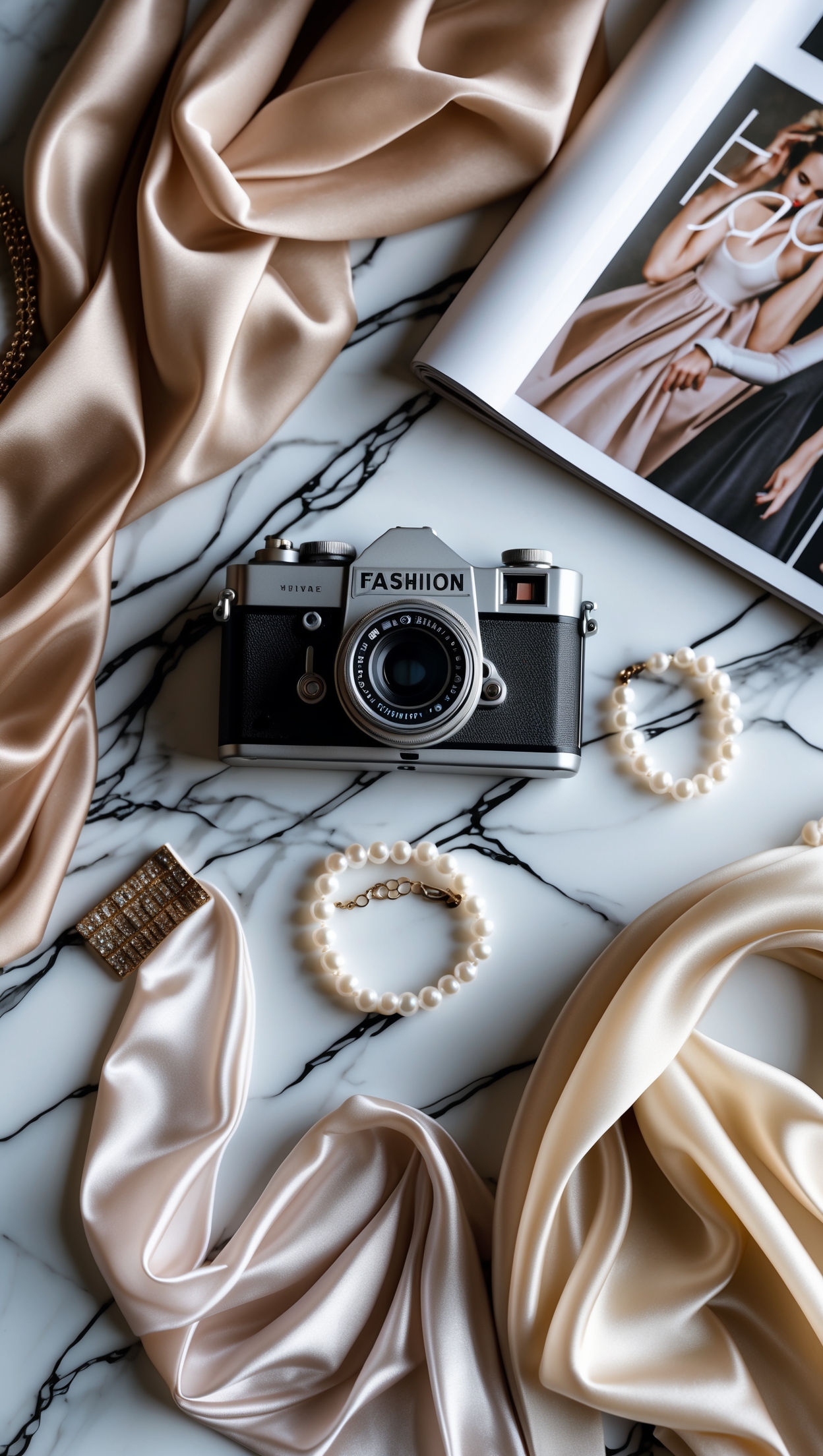
Experiment with different angles and perspectives. Shoot from above for flat-lay styling shots, capture full-body shots from a low angle to elongate the silhouette, or focus on details like accessories, textures, and intricate design elements.
Background Selection
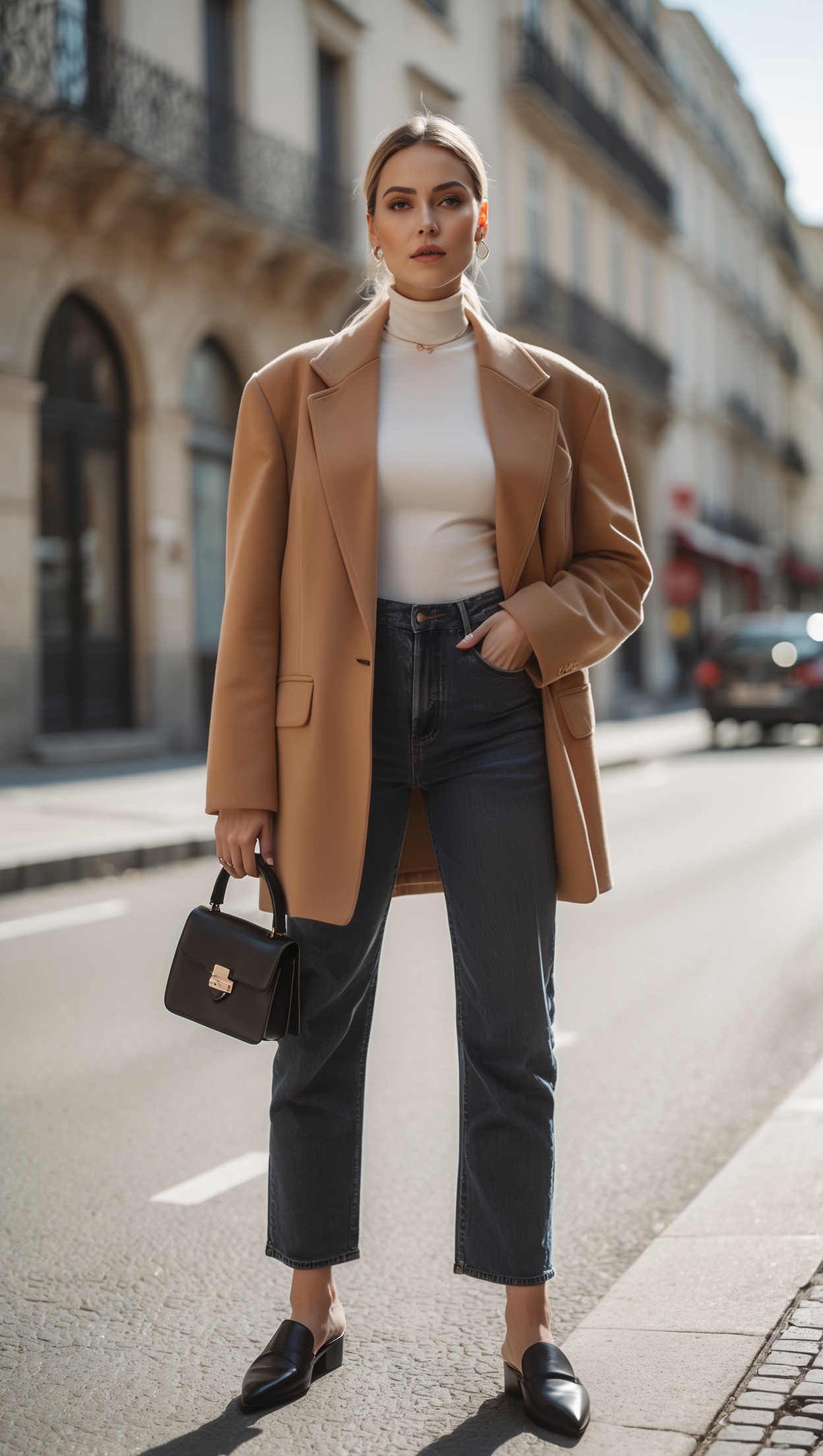
Your background should complement, not compete with, your fashion subject. Clean, minimalist backgrounds work well for highlighting intricate details, while textured walls or urban environments can add character to streetwear shoots. Always ensure the background enhances your overall narrative.
Styling and Preparation
Successful fashion photography begins long before you press the shutter. Plan your shoot meticulously, considering the story you want to tell through your images. Create mood boards that capture the aesthetic, color palette, and overall vibe you're aiming to achieve.
Wardrobe preparation is crucial. Steam or iron all clothing items, and bring safety pins, clips, and fashion tape for quick adjustments. When working with accessories, especially delicate items like jewelry, handle them with care and have backup options ready.
Working with Models
Clear communication with your model creates better results. Provide direction on posing, but also allow natural movement and expression. Capture both posed shots and candid moments – often the in-between shots yield the most authentic and engaging results.
Technical Camera Settings
Understanding your camera settings ensures technical excellence in every shot. For fashion photography, start with these baseline settings:
- Aperture: Use f/2.8 to f/5.6 for shallow depth of field, f/8 to f/11 for group shots or full-body images requiring sharp focus throughout
- Shutter Speed: Maintain at least 1/125s for handheld shots, faster for movement or action shots
- ISO: Keep as low as possible (100-400) for optimal image quality, increase only when necessary
- Focus Mode: Use single-point autofocus for precise control over your focal point
Post-Processing Excellence
Post-processing can enhance your fashion photography, but restraint is key. Focus on color correction, exposure adjustments, and subtle retouching that maintains the natural beauty of both the clothing and model.
When editing fashion images, pay attention to color accuracy – this is especially important for e-commerce or brand work where customers need to see true-to-life colors. Enhance textures and details without over-sharpening, and maintain consistency across your entire shoot.
Creating Your Signature Style
Develop a consistent editing style that becomes your visual signature. This might involve specific color grading, contrast levels, or treatment of highlights and shadows. Consistency helps build brand recognition and professional credibility.
Building Your Fashion Photography Portfolio
A strong portfolio showcases your range while maintaining a cohesive aesthetic. Include various types of fashion photography – editorial, commercial, lifestyle, and detail shots. This demonstrates versatility to potential clients while highlighting your unique artistic vision.
For a touch of luxury and high fashion, MINOX offers an exclusive boutique experience with premium pieces. For even more fashion inspiration and outfit ideas, Voghion offers thousands of on-trend pieces at great prices.