This article contains affiliate links. If you buy through them, we may earn a commission at no extra cost to you.
Mixing Metals in Jewelry – The Complete Style Guide
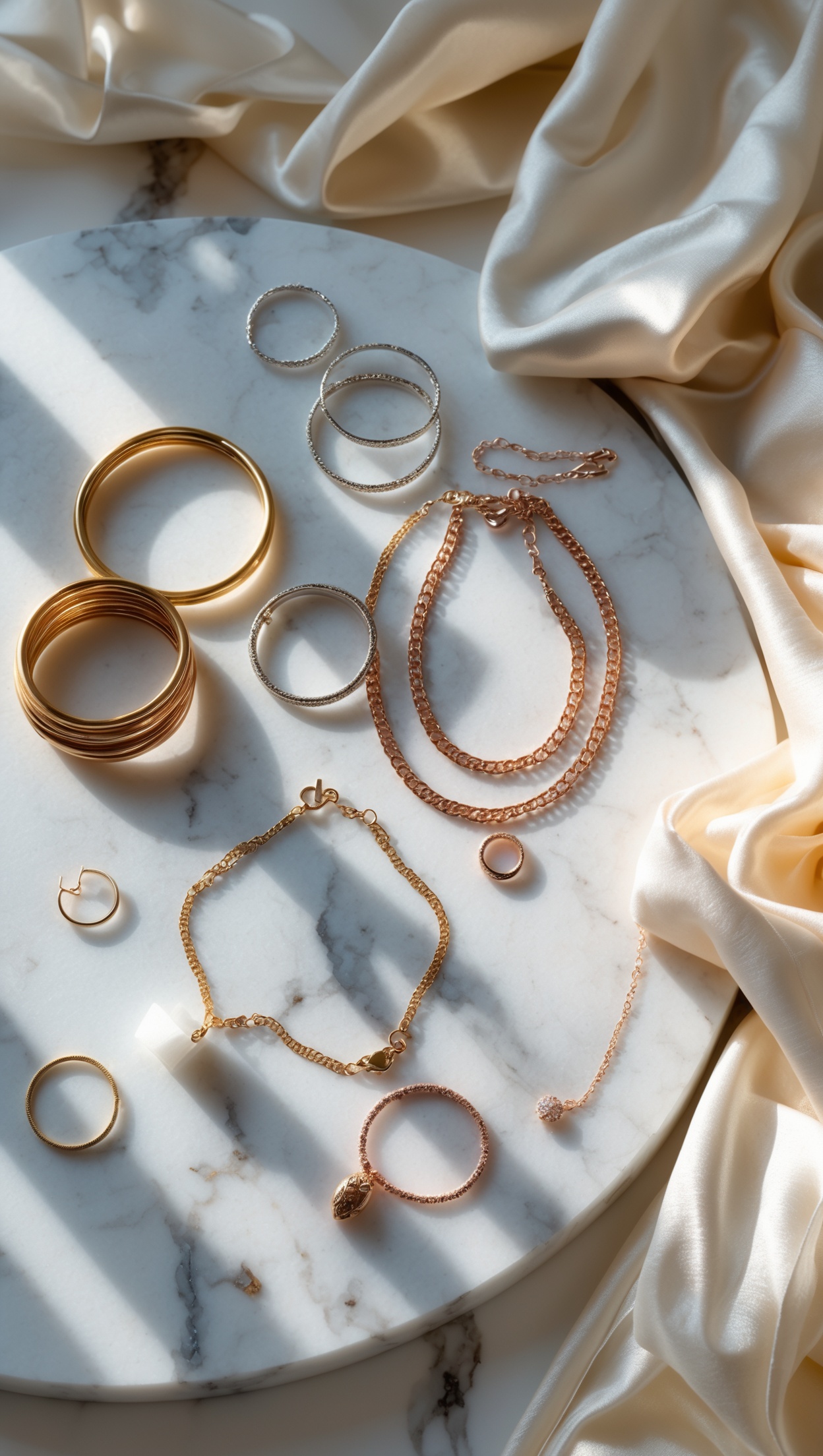
For years, the unspoken rule in fashion was simple: stick to one metal. Gold with gold, silver with silver, never the two shall meet. Today, that rule is gloriously outdated. Mixing metals in jewelry is one of the most creative and personal ways to express your style — and when done thoughtfully, it looks intentional, modern and effortlessly chic.
If you are building a jewelry collection and want pieces that work across multiple combinations, a good starting point is a retailer with a solid jewelry range. Cronjager stocks fashion and jewellery with free shipping on selected products to the UK, EU, US, CA and AU — useful if you want to experiment with mixed-metal pieces without overcommitting to one aesthetic.
Why Mixing Metals Works
The key reason mixed metals look good is contrast and cohesion. When you place warm tones — yellow gold, rose gold, bronze — alongside cool tones — silver, white gold, platinum — the contrast draws the eye and creates visual interest. The secret is giving the combination a sense of intention rather than accident.
Think of it the way you would think about mixing prints in clothing. A little structure goes a long way. You do not need to follow rigid rules, but having a loose framework helps you make choices you will love wearing.
Rule One: Choose a Dominant Metal
The easiest way to start mixing metals is to pick one dominant metal and accent with another. If you are wearing three gold rings and one silver ring, the silver ring reads as a deliberate choice, not an error. The ratio does the work.
- A 70/30 split between your primary and accent metal tends to look balanced.
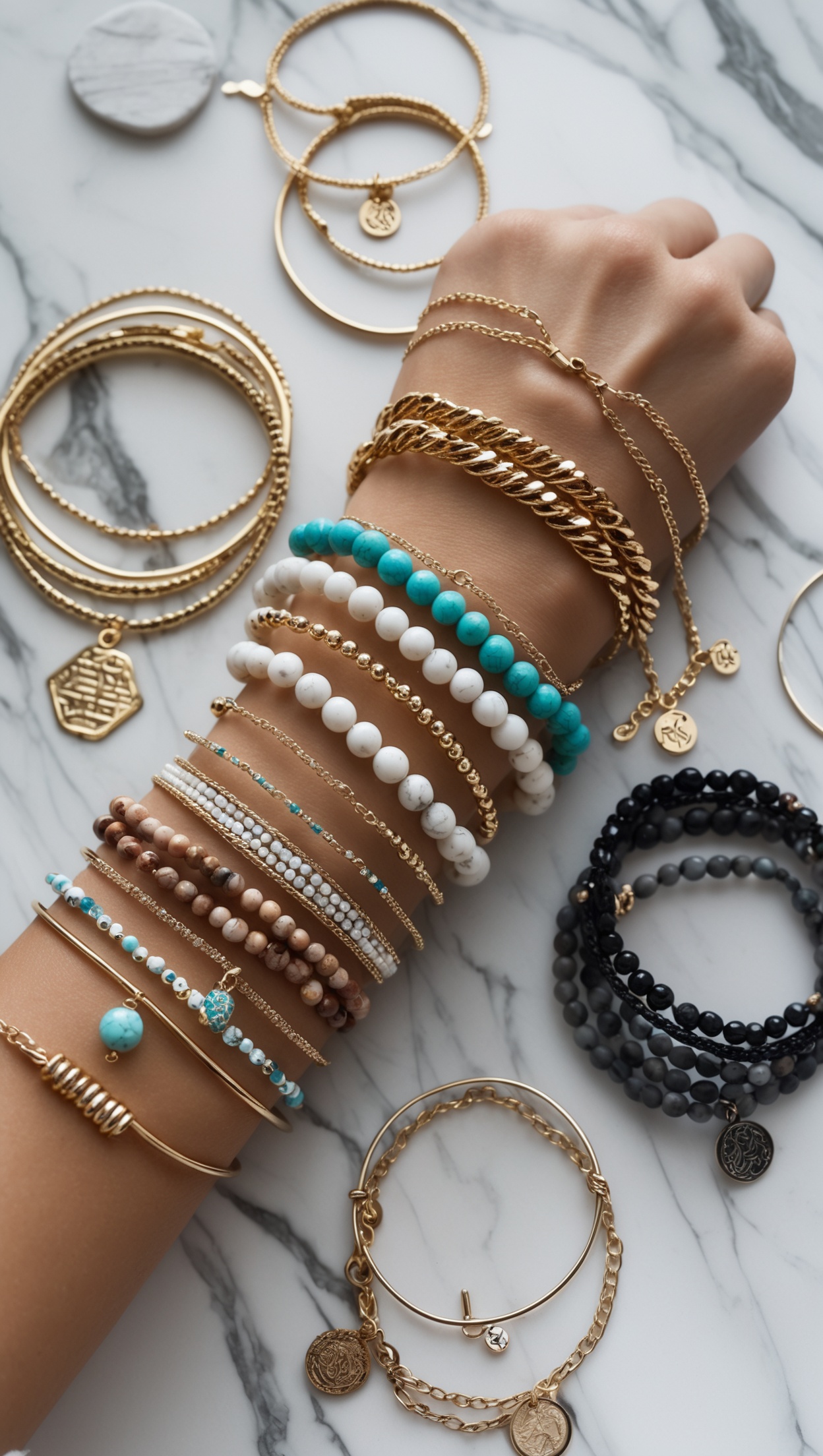
- Try two gold chain necklaces layered with one fine silver chain — instant texture and depth.
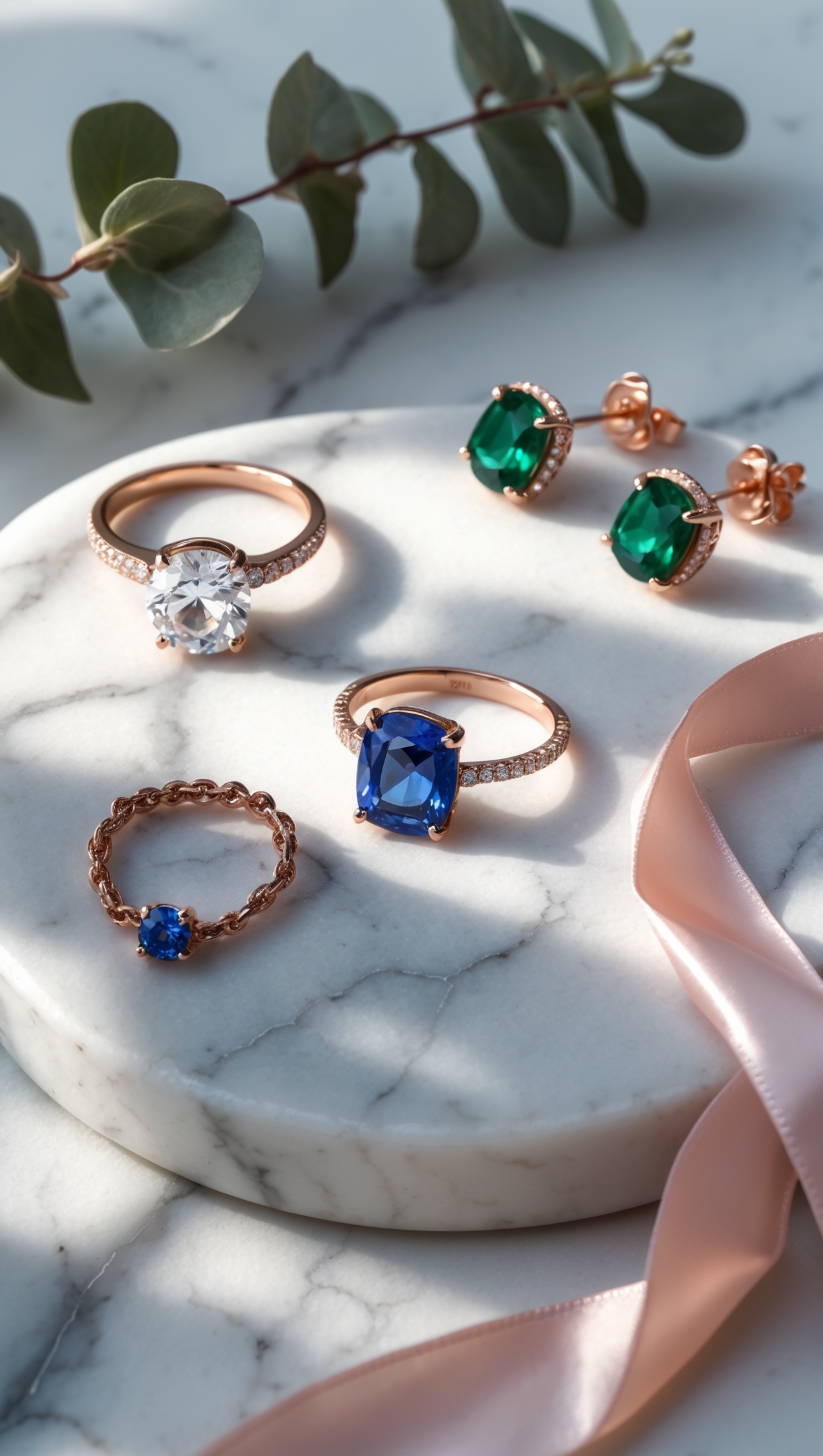
- A single rose gold ring worn alongside silver stacking rings adds warmth without overwhelming.
Rule Two: Use a Connector Piece
One of the most useful tricks in mixed-metal styling is the two-tone or multi-metal connector piece. A bracelet or ring that already combines gold and silver acts as a visual bridge between your other pieces, making the overall look feel curated rather than random.
Look for:
- Bicolor bangles or cuffs
- Rings with mixed-metal settings
- Necklaces with both gold and silver chain links
These pieces do the heavy lifting and make even the most instinctive combinations look considered.
Rule Three: Balance Warm and Cool Tones
Understanding the temperature of metals makes mixing much easier:
- Warm metals: yellow gold, rose gold, brass, bronze, copper
- Cool metals: silver, white gold, platinum, rhodium
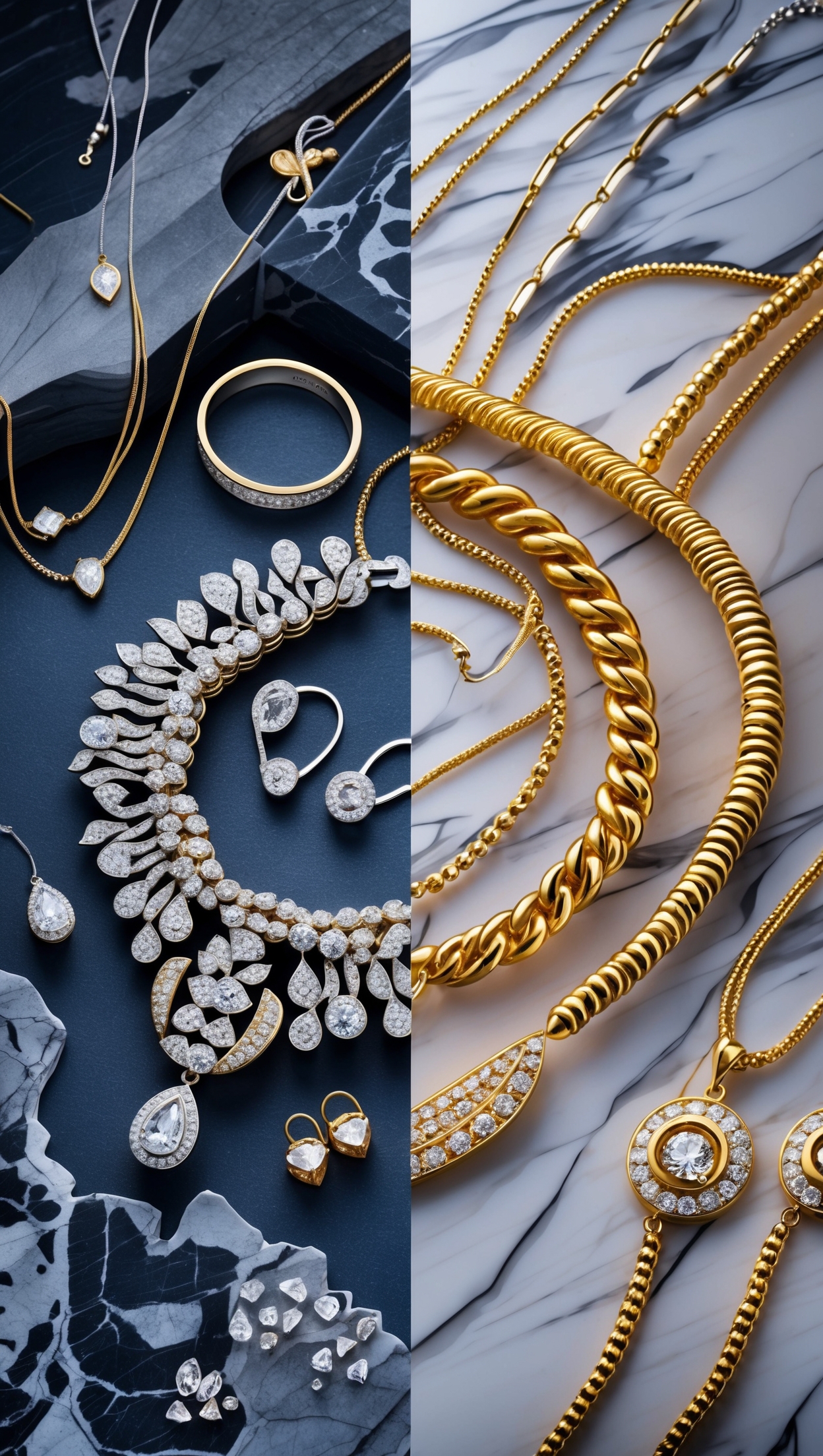
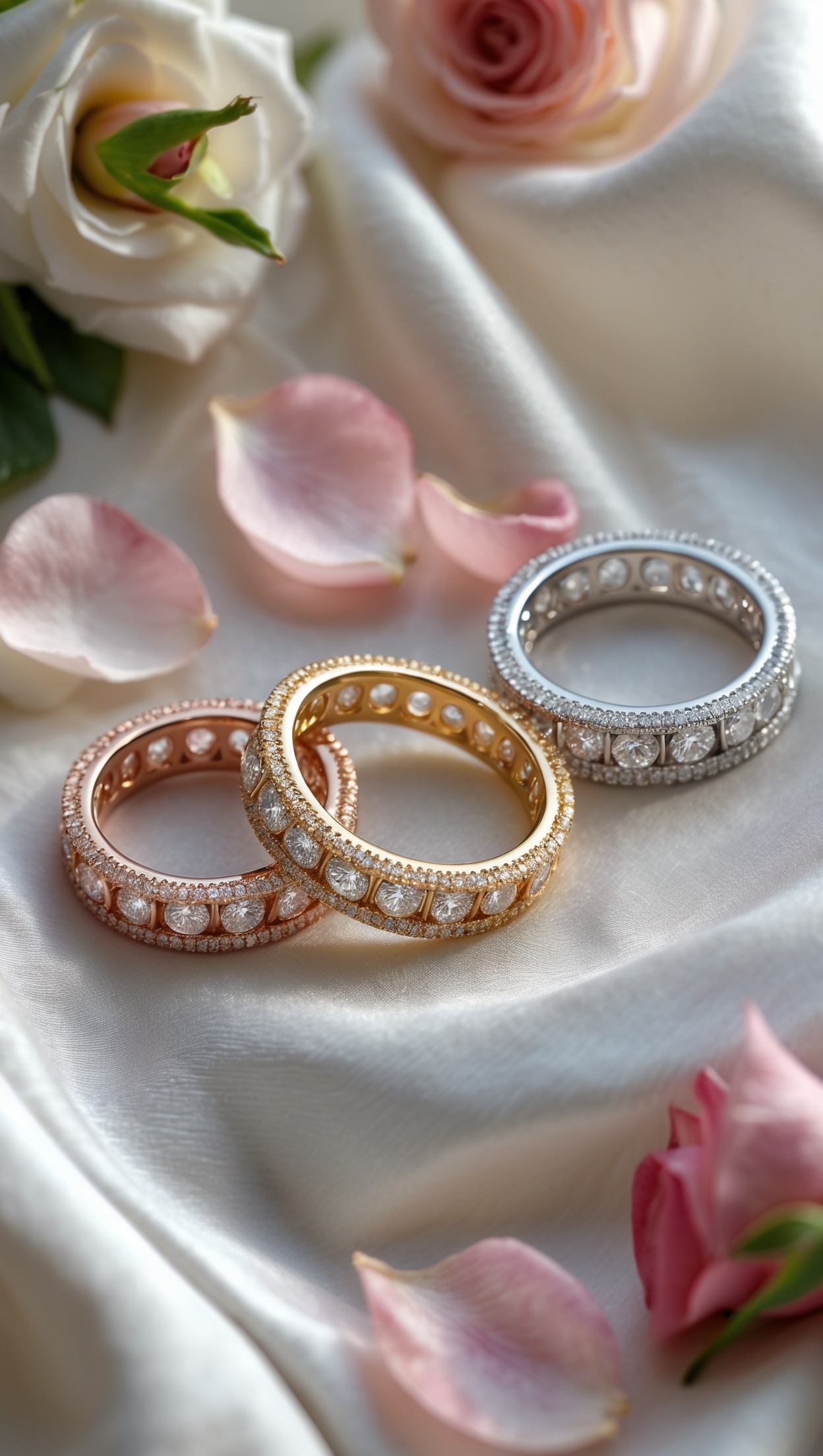
You can mix within temperature families — for example, yellow gold and rose gold together look rich and harmonious. Mixing across temperatures — gold and silver — creates a bolder, more editorial contrast. Both approaches work; the key is knowing which effect you are going for.
Rule Four: Consider the Occasion
Mixed metals work beautifully for everyday and casual wear, where a relaxed, layered look feels natural. For formal occasions, keep the mixing subtle — perhaps just one accent piece in a contrasting metal — so the overall effect remains polished.
Everyday Mixed-Metal Ideas
- Silver hoop earrings with a gold pendant necklace and a rose gold watch
- A stack of thin silver and gold rings across multiple fingers
- Gold chain layered over a longer silver chain for depth
Evening Mixed-Metal Ideas
- A statement yellow gold choker with a single long silver chain
- White gold earrings paired with a yellow gold cuff
- Rose gold rings accenting an otherwise silver hand stack
Rule Five: Repeat Metals Across Your Look
One of the most effective tricks is to echo the same metal in at least two places. If you wear a silver necklace and silver earrings, adding a gold bracelet works because the silver is anchored. If the gold appears only once, it risks looking forgotten rather than styled.
Apply this principle to accessories beyond jewelry too. Gold-toned belt buckles, silver watch straps and metallic shoe hardware all count. A cohesive metallic thread running through your look ties everything together naturally.
Common Mistakes to Avoid
- Too many metals at once: Mixing more than three metal tones in one look tends to feel chaotic. Stick to two, occasionally three.
- Ignoring finish: Mixing a high-polish gold piece with a brushed-matte silver piece can work beautifully, but mixing too many different finishes (polished, hammered, oxidised, brushed) at once adds visual noise.
- Forgetting skin tone: While any metal can work on any skin tone, warm metals tend to complement warmer skin tones and cool metals suit cooler complexions. This can guide which metal you choose as your dominant piece.
Building Your Mixed-Metal Collection
If you are starting from scratch or refreshing your jewelry box, prioritise versatile pieces that already bridge metals. A dainty two-tone necklace, a bicolor ring and a simple single-metal hoop in each your preferred metals gives you a flexible base to build from.
Quality matters here. Well-made pieces retain their finish longer and layer more cleanly than fast-fashion alternatives. Look for pieces with consistent plating, solid clasps and weights that feel intentional — not hollow or overly light.
The Bottom Line
Mixing metals in jewelry is less about following rules and more about developing an eye for balance. Start with a dominant metal, add one accent, use a connector piece if you can, and echo metals across your look. Within those loose guidelines, almost anything goes.
The most stylish mixed-metal looks share one quality: they look like choices, not accidents. That confidence — in your pieces and in how you wear them — is what makes the difference.
If you want to explore mixed-metal jewelry pieces with flexible shipping options, you can browse the jewellery range via Cronjager — including free shipping on selected products to the UK, EU, US, CA and AU — to find styles that work across your existing collection.