This article contains affiliate links. If you buy through them, we may earn a commission at no extra cost to you.
Men's Watch Style Guide: How to Wear a Watch Like a Pro
A watch is more than just a timekeeping device — it is one of the most powerful style accessories a man can wear. Whether you are dressing for the boardroom, a casual weekend, or a black-tie event, the right watch can elevate your entire look instantly. This guide will walk you through everything you need to know about choosing, pairing, and wearing men's watches with confidence and style.
Why Every Man Needs a Watch
In an era dominated by smartphones, wearing a watch might seem redundant. But in the world of fashion and personal style, a watch is a statement piece. It signals attention to detail, taste, and sophistication. A great watch is noticed even when you think no one is looking — it speaks silently but powerfully about who you are.
Unlike rings, necklaces, or bracelets, a watch is an accessory that is almost universally accepted across all dress codes and social settings. It sits at the intersection of function and fashion, making it an indispensable part of every modern man's wardrobe.
Understanding the Main Types of Men's Watches
Before you can start styling your watch, you need to understand the different categories available. Each type is designed with a specific purpose and aesthetic in mind.
Dress Watches
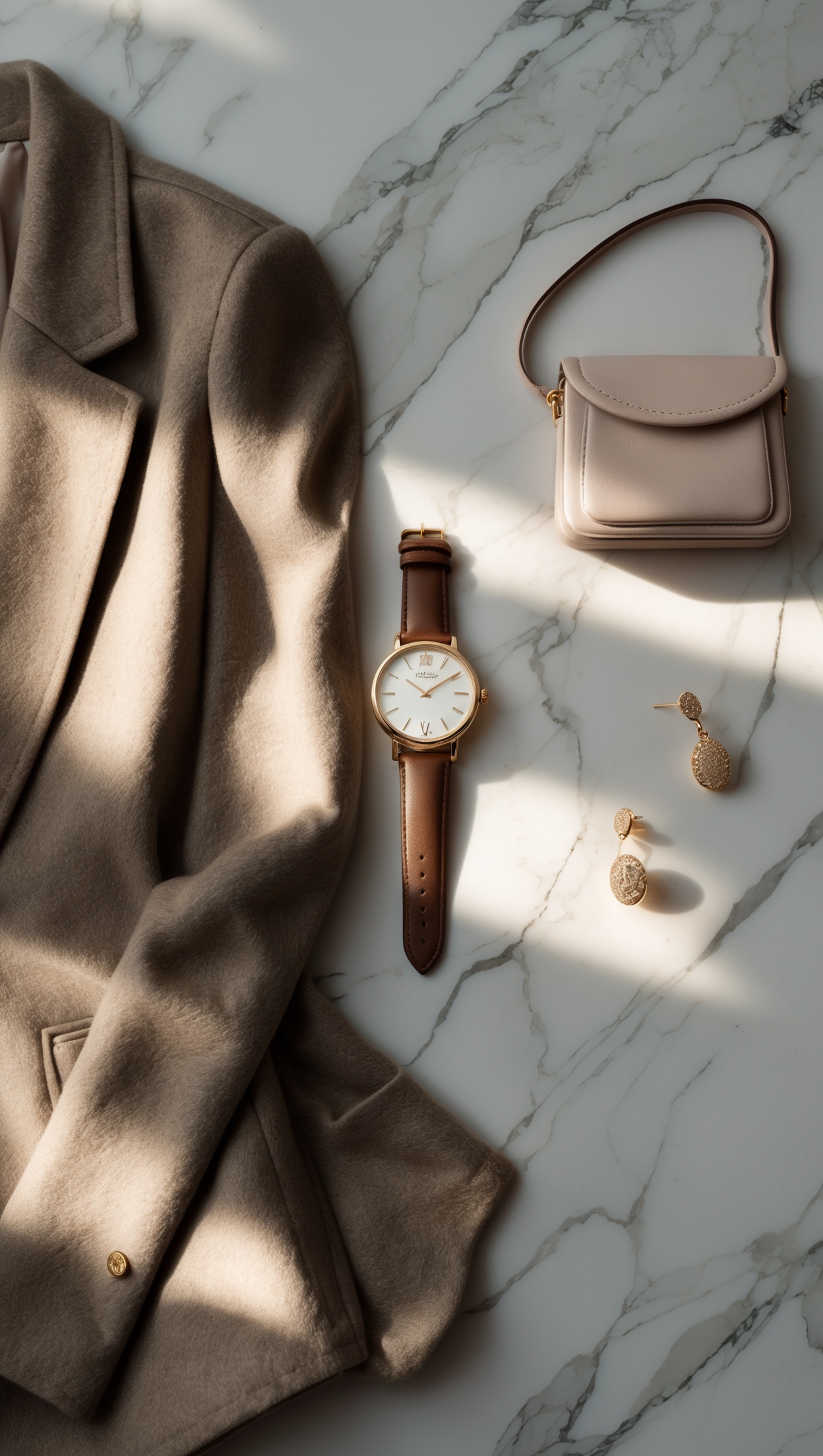
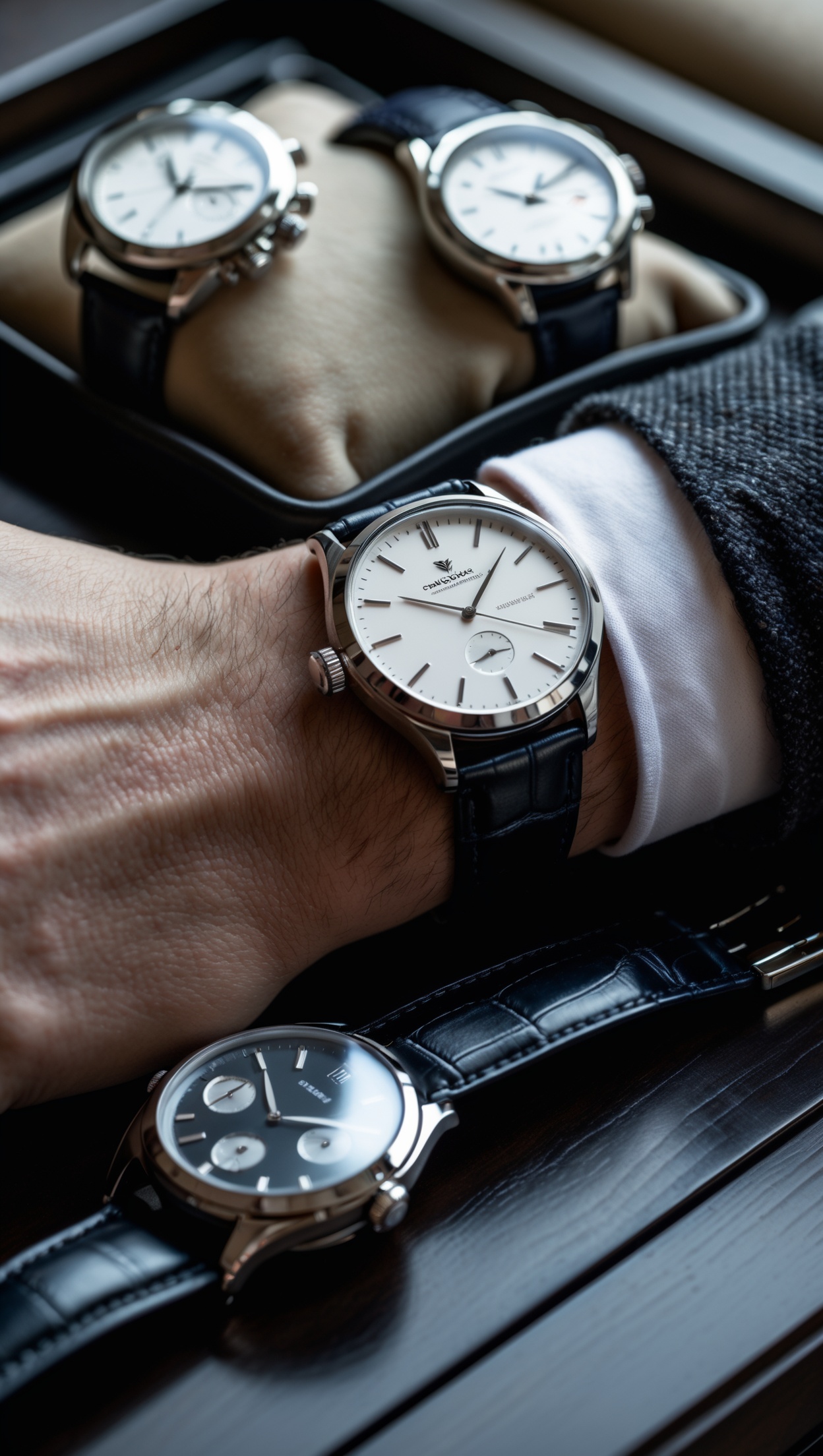
Dress watches are slim, elegant, and minimal. They are designed to slide under a shirt cuff without creating a bulge. Typically featuring a simple dial with clean hour markers, a leather strap, and a refined case, these watches are perfect for formal occasions, business meetings, and evening events. Look for watches in silver, gold, or rose gold tones with a classic round or rectangular case.
Casual and Everyday Watches
These watches are versatile workhorses. They are durable, comfortable, and stylish enough to wear from morning to night. Canvas or leather straps, medium-sized cases, and simple but clean dials are hallmarks of a great everyday watch. These pair effortlessly with jeans, chinos, and casual shirts.
Sport and Dive Watches
Built for activity and adventure, sport watches come with features like water resistance, scratch-resistant crystals, and robust cases. Rubber or metal bracelets are common. Despite their technical nature, sport watches have become extremely fashionable and can work well with smart-casual looks when styled correctly.
Chronograph Watches
Chronograph watches feature additional subdials and a stopwatch function. They have a bold, sporty aesthetic that works well with business-casual and casual outfits. Their busy dials make them statement pieces in their own right.
Smartwatches
Modern smartwatches bridge technology and style. While they may not carry the prestige of traditional timepieces, high-end smartwatches with premium materials can look polished and contemporary. They work best with casual or athleisure outfits.
How to Match Your Watch to Your Outfit
The golden rule of watch styling is this: let your watch complement your outfit, not compete with it. Here are the key principles to follow:
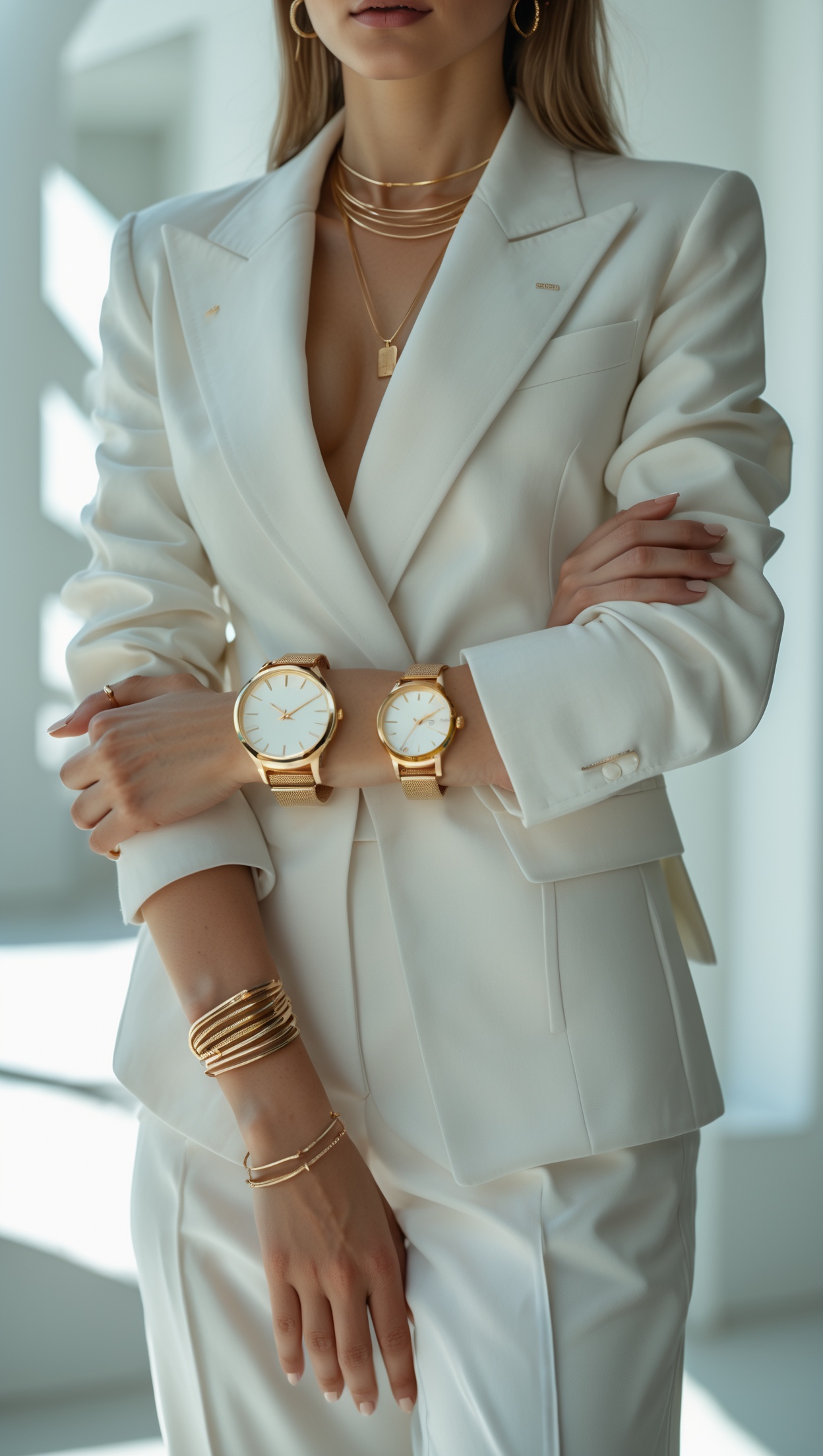
- Formal outfits need dress watches. If you are wearing a suit, always opt for a slim, elegant watch with a leather strap. A bulky sport watch under a tailored jacket looks out of place.
- Match metals to your accessories. If you are wearing a silver belt buckle or cufflinks, choose a watch with a silver case. Gold accessories pair naturally with gold watch cases.
- Match strap colour to your shoes and belt. A brown leather strap works best when you are wearing brown shoes. A black leather strap pairs with black footwear. This is a classic rule that instantly sharpens any look.
- Casual outfits allow more freedom. With jeans and a t-shirt, you can wear almost any watch style — from a chunky sport watch to a laid-back field watch.
- Consider your shirt sleeve length. Long-sleeve shirts require a watch that fits comfortably under the cuff. Short sleeves make your watch the focal point, so choose something with visual impact.
Watch Strap Materials and What They Say About You
The strap of your watch is just as important as the case. Changing a strap can completely transform the personality of a watch, giving you multiple looks from a single timepiece.
- Leather straps: Classic, refined, and timeless. They communicate sophistication and traditional taste. Best for formal and business settings.
- Metal bracelets: Versatile and durable. A stainless steel bracelet suits both casual and smart-casual settings and gives the watch a sleek, modern look.
- NATO straps: Casual, colourful, and youthful. Originally military issue, NATO straps on a simple watch face create a relaxed, adventurous vibe.
- Rubber and silicone straps: Functional and sporty. Best paired with athletic or casual wear.
Watch Size and Fit: Getting It Right
Watch case size is one of the most overlooked elements of watch styling, yet it makes a significant visual difference. The case should be proportional to your wrist. As a general guide:
- Wrists under 17 cm: opt for cases between 36–40 mm.
- Wrists between 17–19 cm: 40–44 mm cases work well.
- Wrists over 19 cm: 44 mm and above can look balanced and powerful.
Beyond diameter, consider case thickness. A thinner watch is more formal, while a thicker case reads as sporty and casual. Also ensure the strap fits your wrist properly — it should sit snugly without pinching or sliding around.
Where to Wear Your Watch
Tradition dictates that a watch is worn on the non-dominant wrist — so for most right-handed men, that is the left wrist. This rule exists for practical reasons: it keeps the watch out of the way while you write or work. That said, if wearing it on your right wrist feels more natural, go for it. Style has no hard rules.
Building a Watch Collection Over Time
If you are serious about elevating your style, consider building a small but curated watch collection. Ideally, every man should own at least three watches:
- One classic dress watch for formal occasions.
- One versatile everyday watch for daily wear.
- One sport or casual watch for weekends and active days.
You do not need to spend a fortune to build a stylish collection. There are excellent timepieces at every price point. The key is to invest in quality over quantity.
CRONJAGER: Where Craftsmanship Meets Style
When it comes to finding a watch that perfectly balances design, quality, and individuality, CRONJAGER stands out as a brand worth knowing. CRONJAGER offers meticulously crafted timepieces that blend Scandinavian minimalism with bold contemporary design — ideal for the modern man who wants to make a statement without shouting. Whether you are looking for your first serious watch or adding to an existing collection, CRONJAGER delivers pieces that feel personal, premium, and built to last.
Final Thoughts on Men's Watch Style
A well-chosen watch is one of the smartest investments you can make in your personal style. It adds polish to formal outfits, character to casual looks, and signals to the world that you pay attention to the details that matter. Take the time to understand the different styles, learn how to pair them correctly, and build a collection that reflects who you are.
Remember: the best watch is the one that makes you feel confident every time you glance at your wrist. Start with the basics, invest thoughtfully, and let your watch do the talking.
For a touch of luxury and high fashion, MINOX offers an exclusive boutique experience with premium pieces. For even more fashion inspiration and outfit ideas, Voghion offers thousands of on-trend pieces at great prices.