This article contains affiliate links. If you buy through them, we may earn a commission at no extra cost to you.
What Are Lab-Grown Diamonds?
Lab-grown diamonds are real diamonds created in controlled laboratory environments using advanced technological processes that mimic the natural conditions under which diamonds form in the Earth's crust. These synthetic diamonds possess the same physical, chemical, and optical properties as their naturally mined counterparts, making them virtually indistinguishable to the naked eye.
The two primary methods for creating lab-grown diamonds are High Pressure High Temperature (HPHT) and Chemical Vapor Deposition (CVD). Both processes produce genuine diamonds with identical hardness, brilliance, and fire as natural stones.
Quality and Characteristics
Lab-grown diamonds are evaluated using the same 4 Cs criteria as natural diamonds: Cut, Color, Clarity, and Carat weight. They achieve the same grading standards and can exhibit exceptional quality often superior to many natural diamonds.
- Hardness: 10 on the Mohs scale, identical to natural diamonds
- Brilliance: Same refractive index and light performance
- Durability: Equally resistant to scratching and chipping
- Variety: Available in all cuts, colors, and clarity grades
Ethical and Environmental Benefits
One of the most compelling reasons to choose lab-grown diamonds is their ethical production. Unlike traditional diamond mining, which can involve environmental destruction and questionable labor practices, lab-grown diamonds are created without these concerns.
Sustainability Advantages
Lab-grown diamonds require significantly less environmental disruption. They don't require large-scale mining operations, preserve natural habitats, and have a smaller carbon footprint when produced using renewable energy sources.
Conflict-Free Guarantee
Every lab-grown diamond comes with a 100% guarantee of being conflict-free, eliminating concerns about funding armed conflicts or exploitation that can be associated with some natural diamond sources.
Cost and Value Considerations
Lab-grown diamonds typically cost 30-50% less than comparable natural diamonds, making luxury accessible to more consumers. This price advantage allows buyers to purchase larger or higher-quality stones within their budget.
While natural diamonds may hold their value better as investments, lab-grown diamonds offer exceptional value for those prioritizing beauty, quality, and ethical sourcing over resale potential.
How to Identify Lab-Grown Diamonds
Professional gemologists use specialized equipment to distinguish lab-grown from natural diamonds. Reputable sellers always disclose when diamonds are lab-created, and certified stones come with documentation clearly indicating their origin.
Certification and Documentation
Leading gemological institutes like GIA, IGI, and GCAL provide certification for lab-grown diamonds, ensuring transparency and quality assurance for consumers.
Where to Shop
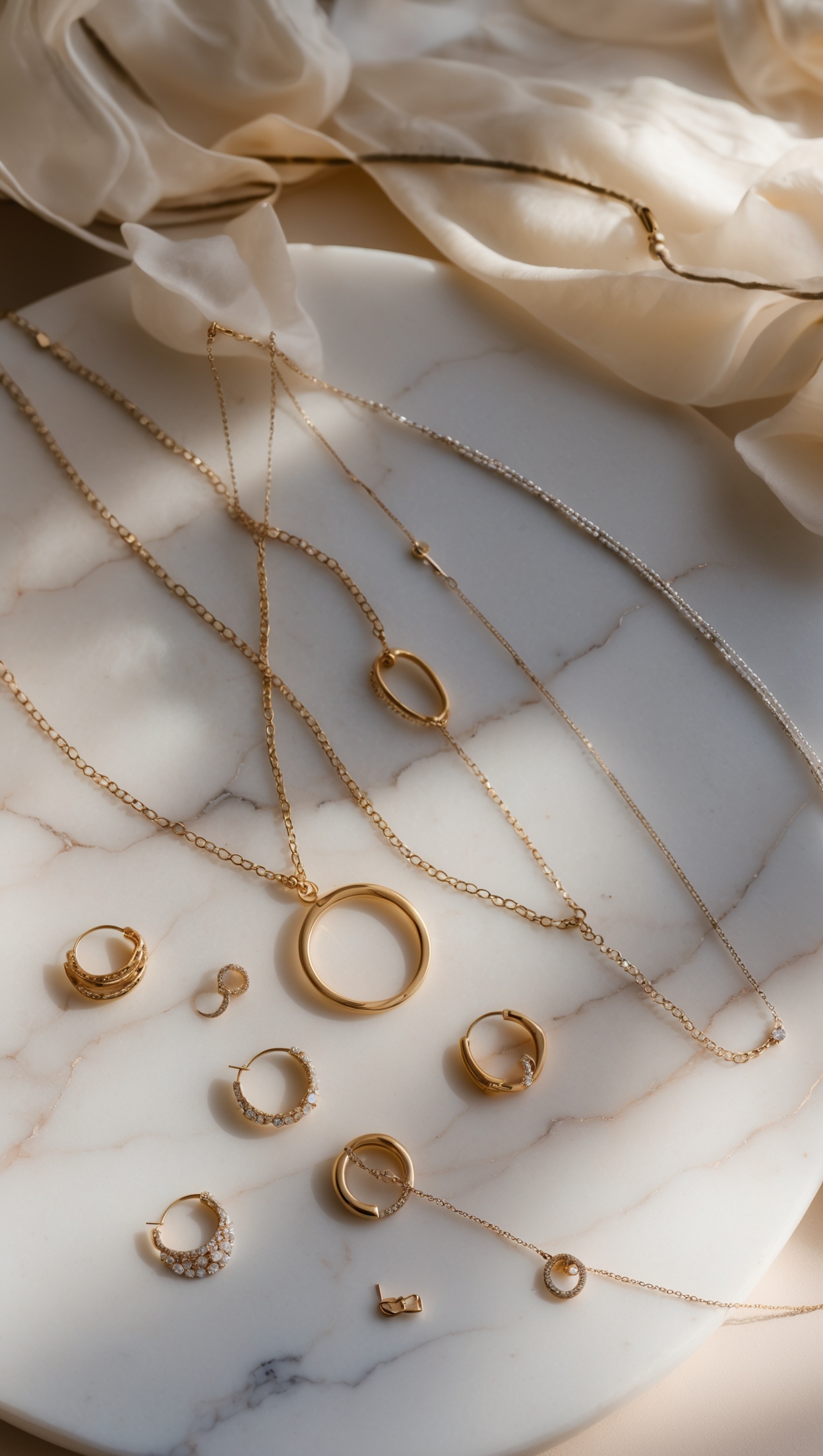
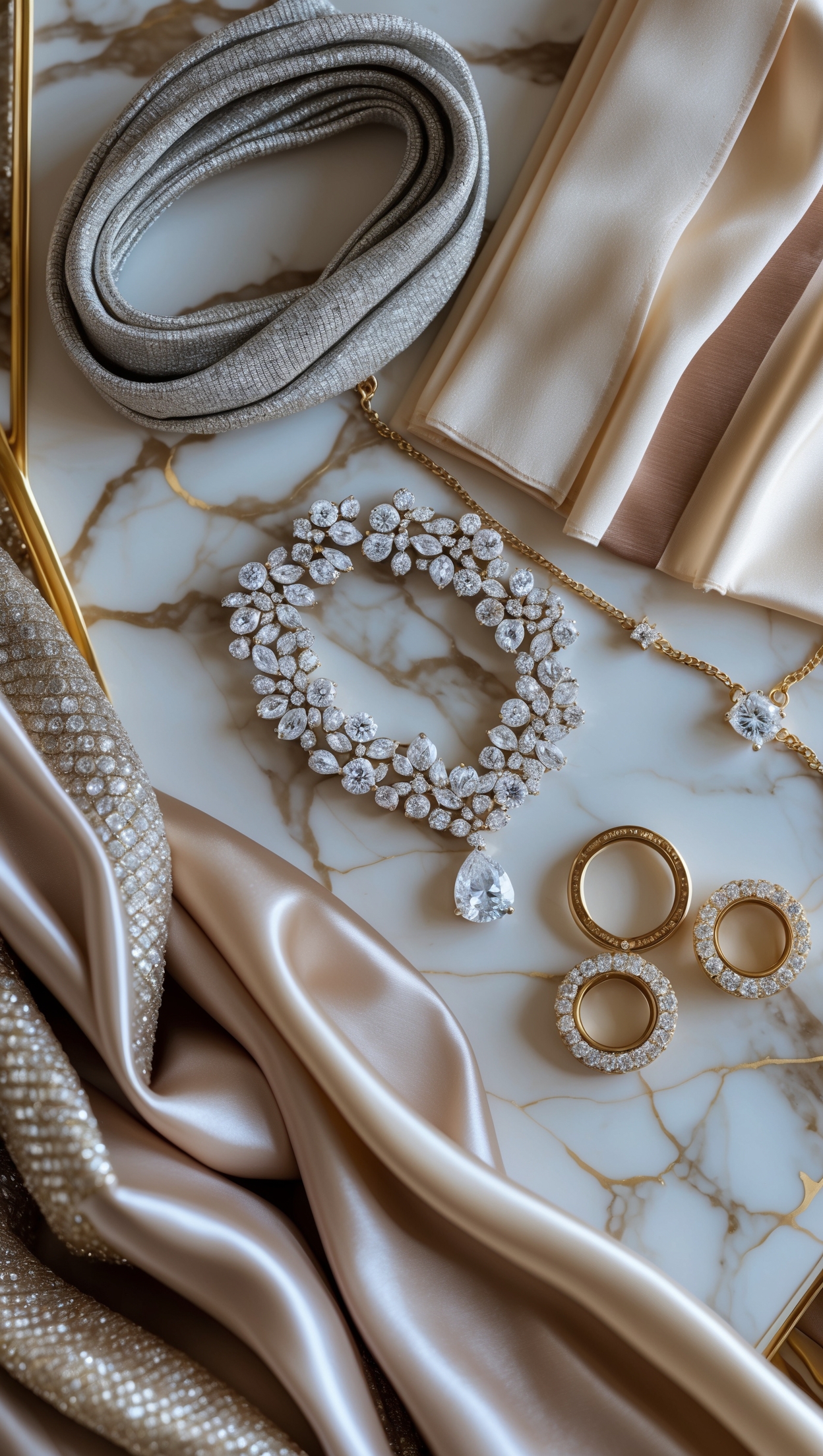
When shopping for lab-grown diamond jewelry, it's essential to choose reputable retailers who provide proper certification and quality guarantees. For lab-grown diamond jewelry, La Joya Jewelry offers an exceptional selection of certified pieces with transparent sourcing and expert craftsmanship.
The Future of Lab-Grown Diamonds
As technology advances and consumer awareness grows, lab-grown diamonds are becoming increasingly popular in the fashion industry. They represent the future of sustainable luxury, combining traditional beauty with modern ethical values.
Whether you're considering an engagement ring, fashion jewelry, or investment pieces, lab-grown diamonds offer an excellent alternative that doesn't compromise on quality, beauty, or ethical standards.
For a touch of luxury and high fashion, MINOX offers an exclusive boutique experience with premium pieces. For even more fashion inspiration and outfit ideas, Voghion offers thousands of on-trend pieces at great prices.