This article contains affiliate links. If you buy through them, we may earn a commission at no extra cost to you.
How to Choose the Perfect Engagement Ring
Choosing an engagement ring is one of the most meaningful decisions you will ever make. It is a symbol of love, commitment, and a lifetime together — and it should reflect the unique personality of the person who will wear it every single day. With so many styles, metals, stones, and settings available, the process can feel overwhelming. But with the right guidance, finding the perfect ring becomes an exciting and deeply personal journey.
Start with Her Style
Before you even think about budgets or gemstones, take a close look at the jewellery she already wears. Does she gravitate toward classic, timeless pieces or bold, contemporary designs? Is her existing jewellery gold or silver-toned? Does she prefer minimal, understated elegance or something that makes a statement?
If you are unsure, subtly enlist the help of her closest friends or family members. You can also pay attention to her Pinterest boards or Instagram saves — these are often a goldmine of honest preferences she may never have directly shared with you.
Understanding the Four Cs
When it comes to diamond rings — the most popular choice for engagement rings — quality is measured by four key criteria, commonly known as the Four Cs:
- Cut: This refers to how well the diamond has been shaped and faceted. A well-cut diamond maximises brilliance and sparkle. Common cuts include round brilliant, princess, oval, emerald, cushion, and pear.
- Colour: Diamonds are graded on a scale from D (colourless) to Z (light yellow or brown). The closer to colourless, the higher the value — though some people prefer the warm tone of a slightly off-white stone.
- Clarity: This measures the presence of internal inclusions or surface blemishes. A flawless diamond is rare and expensive; most experts recommend choosing a stone that appears clean to the naked eye rather than spending more for a technically perfect grade.
- Carat: Carat refers to the weight of the diamond, not its size. However, a higher carat weight generally means a larger-looking stone — though the cut and shape can significantly affect how large it appears.
Understanding these four factors will help you make a more confident and informed decision when speaking with a jeweller.
Choosing the Right Metal
The metal band is just as important as the stone itself. Here are the most popular options:
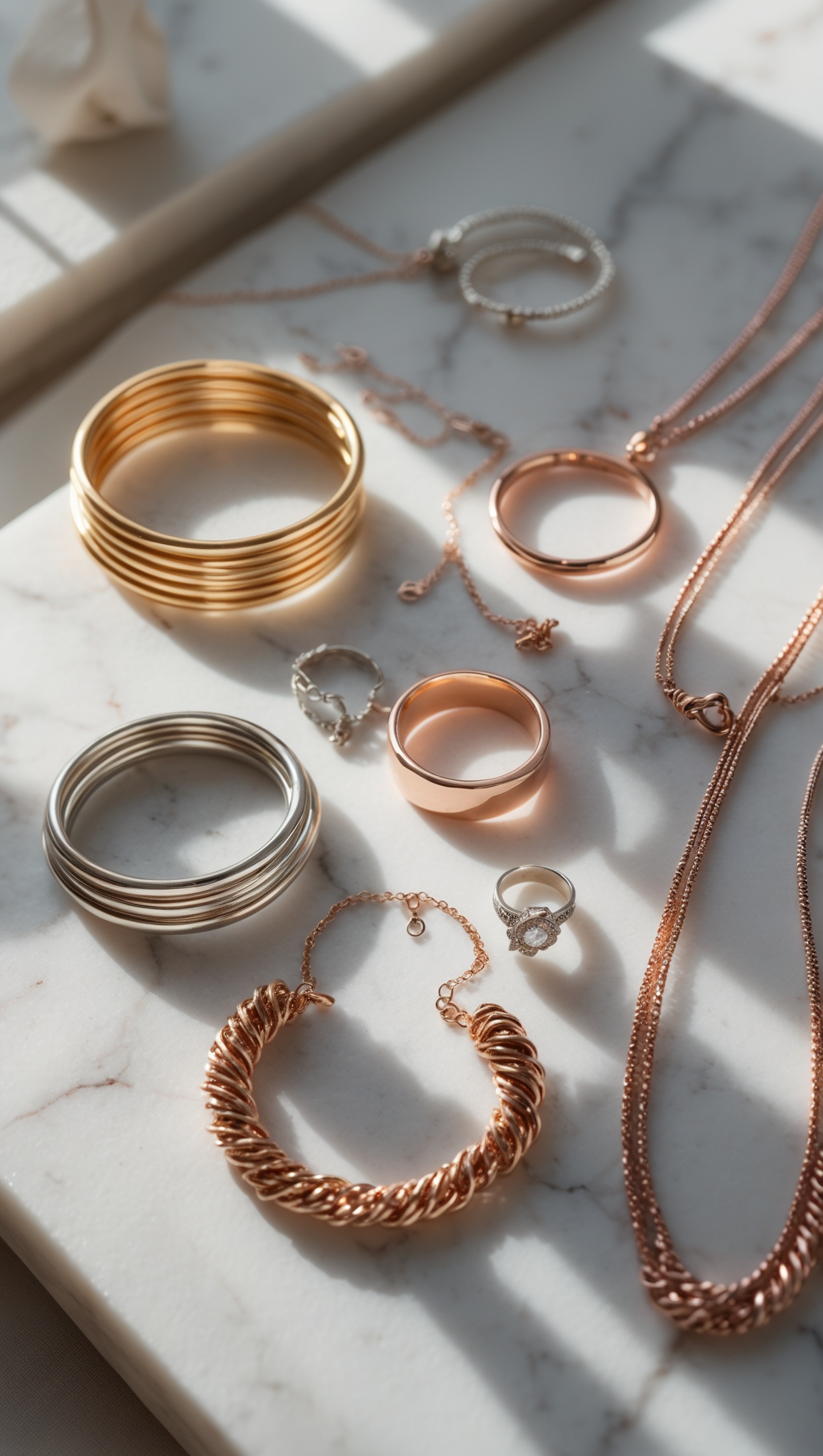
- Yellow Gold: Classic and warm, yellow gold has a timeless appeal and suits warmer skin tones particularly well. It is also one of the most traditional choices for engagement rings.
- White Gold: Sleek and modern, white gold gives a contemporary look and is often rhodium-plated to enhance its brightness. It pairs beautifully with colourless diamonds.
- Rose Gold: Romantic and on-trend, rose gold has surged in popularity over the past decade. Its warm, pinkish hue is flattering on all skin tones and adds a vintage-inspired feel.
- Platinum: Durable, naturally white, and hypoallergenic, platinum is the premium choice. It does not fade or tarnish and holds gemstones securely — making it ideal for a ring that will be worn daily.
Popular Ring Styles and Settings
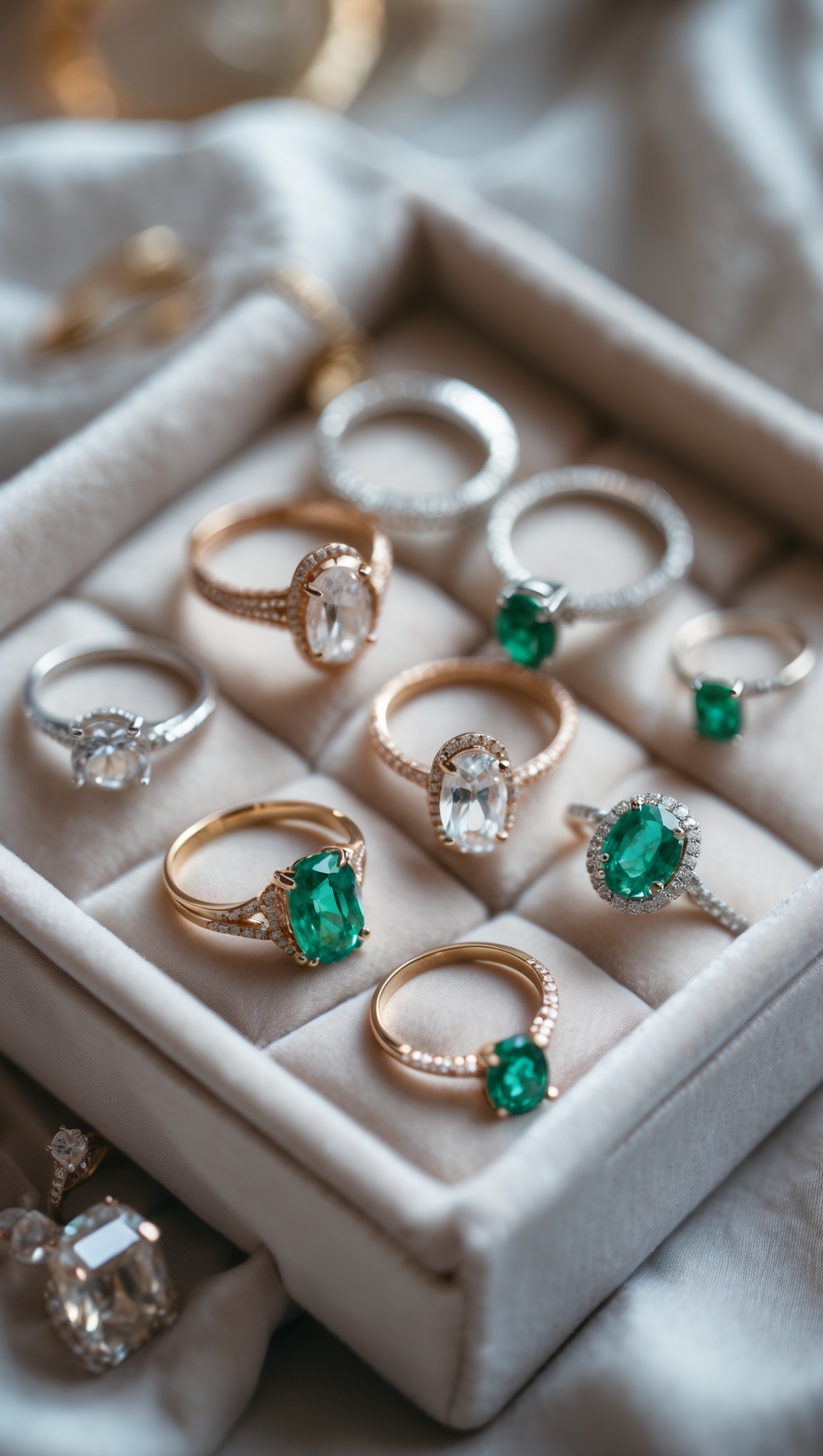
The setting of the diamond or gemstone determines how it is held in place and has a significant impact on the overall aesthetic of the ring. Some of the most popular styles include:
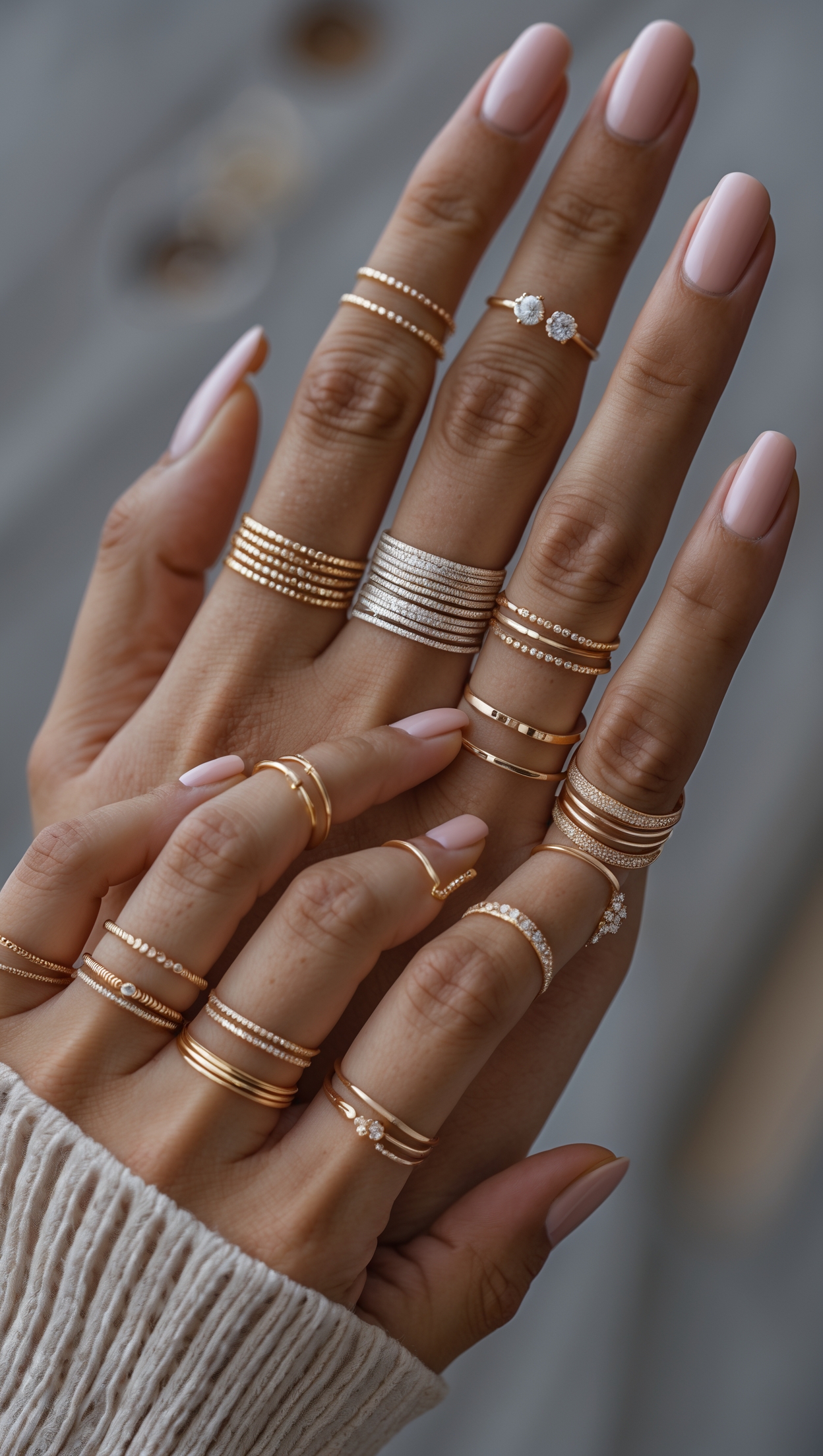
- Solitaire: A single stone set alone on a plain band. Clean, classic, and elegant — a solitaire lets the diamond do all the talking.
- Halo: A central stone surrounded by a halo of smaller diamonds, adding extra sparkle and making the centre stone appear larger.
- Pavé: Tiny diamonds are set closely along the band, creating a continuous shimmer of light.
- Three-Stone: A trio of stones representing the past, present, and future — a deeply symbolic choice.
- Vintage or Art Deco: Intricate detailing, milgrain edges, and filigree work give these rings an antique charm that many modern wearers adore.
Consider Alternative Gemstones
While diamonds remain the classic choice, coloured gemstones are increasingly popular for engagement rings. Sapphires, rubies, emeralds, and morganite all make stunning alternatives that can reflect the wearer's personality far more vividly. A deep blue sapphire, for instance, conveys elegance and loyalty. A blush morganite is romantic and feminine. Do not be afraid to think beyond the traditional.
Setting a Realistic Budget
There is an outdated rule that you should spend two months' salary on an engagement ring. In truth, the right budget is entirely personal and depends on your financial situation and priorities. What matters most is the thought and love behind the ring, not its price tag. There are breathtaking rings available across every price point — the key is knowing where to look and what to prioritise within your budget.
Getting the Ring Size Right
One of the trickiest parts of buying an engagement ring as a surprise is getting the size right. A few practical tricks:
- Borrow one of her existing rings temporarily and have it measured at a jeweller.
- Ask a close friend or family member if they know her size.
- Trace the inside of a ring she wears on her ring finger onto a piece of paper.
- Remember that most rings can be resized after the proposal, so do not let uncertainty hold you back.
Where to Shop
Shopping for an engagement ring has never been easier, with a wealth of excellent jewellers available both in-store and online. For beautifully crafted, romantic fine jewellery that makes a truly lasting impression, Ophelia Eternity Jewelry — Ophelia Eternity Jewelry — offers a stunning curated collection of rings designed to celebrate love in every form. Their elegant, ethically inspired pieces are a wonderful place to start your search.
For a touch of luxury and high fashion, MINOX offers an exclusive boutique experience with premium pieces. For even more fashion inspiration and outfit ideas, Voghion offers thousands of on-trend pieces at great prices.