This article contains affiliate links. If you buy through them, we may earn a commission at no extra cost to you.
Why Fine Jewelry Needs Regular Care
Your fine jewelry is more than an accessory — it is an investment, a memory, and often a deeply personal statement. Whether it is a diamond solitaire ring, a delicate gold chain, or a pair of pearl earrings, every piece deserves proper attention. The good news? You do not need to visit a professional jeweler every time your pieces lose their shine. With the right techniques and a few household staples, you can keep your jewelry looking brand new from the comfort of your own home.
In this guide, we walk you through everything you need to know about caring for your fine jewelry at home — from daily habits to deep-cleaning routines, storage solutions, and the mistakes you absolutely must avoid.
Know Your Materials First
Before you reach for any cleaning product, it is essential to understand what your jewelry is made of. Different metals and gemstones require very different care approaches. Using the wrong method can permanently damage a treasured piece.
Gold Jewelry
Gold is a relatively soft metal, especially at higher karat values. 14k and 18k gold are the most common in fine jewelry and are more durable due to their alloy content. Gold does not tarnish, but it can develop a dull film from everyday products like lotions, perfumes, and natural skin oils.
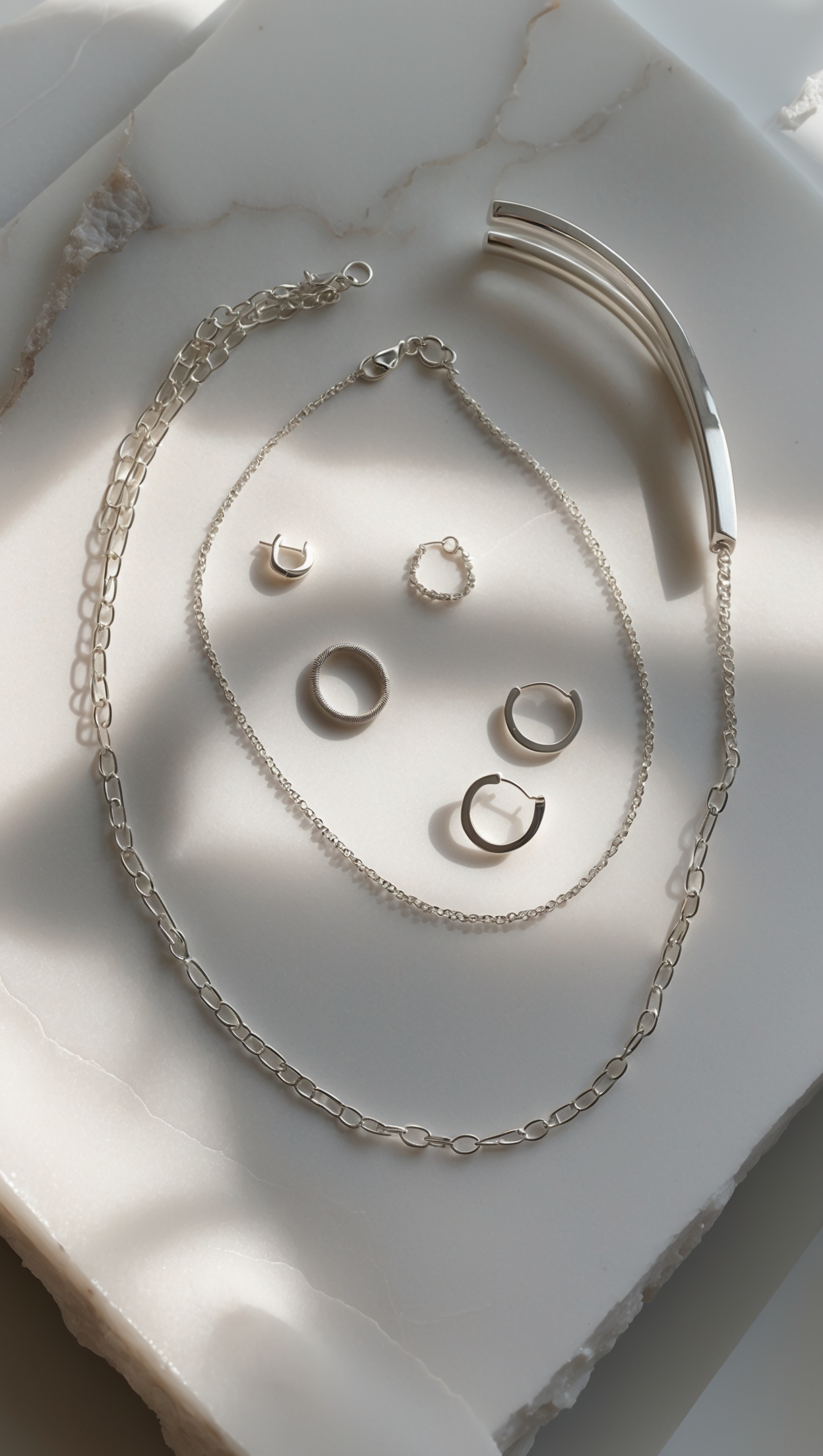
Silver Jewelry
Sterling silver tarnishes over time due to oxidation — that familiar dark, grey film is caused by exposure to air and moisture. Regular gentle cleaning is key to keeping silver bright and beautiful.
Platinum
Platinum is dense, durable, and naturally white. It develops a patina over time, which many wearers actually love. However, it still benefits from occasional polishing and gentle cleaning.
Gemstones
Gemstones vary enormously in hardness and sensitivity. Diamonds are the hardest natural substance and can handle most cleaning methods. Emeralds, opals, and pearls, however, are much more delicate and require very careful handling — they can crack, absorb chemicals, or lose their lustre if treated incorrectly.
Essential Home Cleaning Methods
The Warm Soapy Water Method
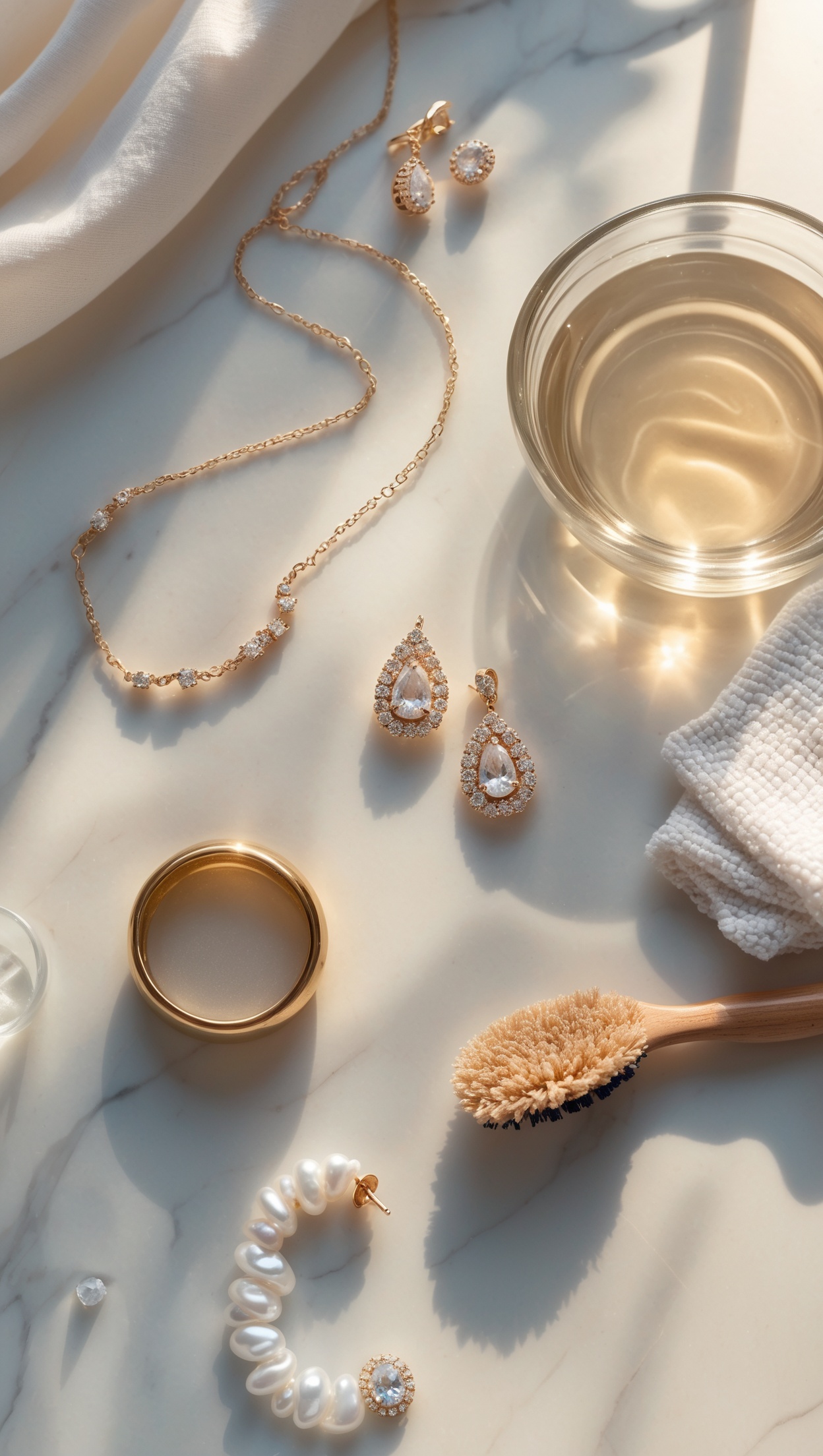
This is the safest and most universal method for cleaning most fine jewelry at home. Here is how to do it correctly:
- Fill a small bowl with warm (not hot) water and a few drops of mild, fragrance-free dish soap.
- Place your jewelry in the bowl and let it soak for 15 to 20 minutes.
- Use a soft-bristled toothbrush or a dedicated jewelry brush to gently scrub around settings, clasps, and any intricate details.
- Rinse thoroughly under clean, lukewarm running water — make sure the drain is plugged!
- Pat dry with a soft, lint-free cloth and allow to air dry completely before storing.
Suitable for: gold, platinum, diamonds, sapphires, rubies, amethysts.
Avoid for: pearls, opals, emeralds, turquoise, and any pieces with glued-in settings.
The Baking Soda Method for Silver
Tarnished silver can be revived beautifully with this simple technique:
- Line a bowl with aluminium foil, shiny side up.
- Add a tablespoon of baking soda and a tablespoon of salt, then pour in boiling water.
- Place your silver jewelry in the bowl and watch the tarnish transfer to the foil within minutes.
- Rinse, dry thoroughly, and buff with a soft cloth.
This method uses a gentle electrochemical reaction to lift tarnish without any abrasive scrubbing — perfect for intricate silver pieces.
Caring for Pearls
Pearls are organic gems and among the most delicate materials in the jewelry world. They should never be soaked in water or exposed to chemicals. Instead:
- Wipe gently with a slightly damp soft cloth after each wear.
- Allow them to dry completely before storing.
- Never store pearls in an airtight container — they need a little humidity to stay lustrous.
- Re-string pearl necklaces regularly if worn often, as the silk thread weakens over time.
Daily Habits That Protect Your Jewelry
Cleaning is only part of the story. The daily habits you build around wearing your jewelry make an enormous difference to its longevity and appearance.
- Put jewelry on last — always after applying perfume, hairspray, sunscreen, and makeup. Chemicals in these products can dull metals and damage stones.
- Remove jewelry before swimming — chlorine in pools and salt in the sea can corrode metals and discolour gemstones.
- Take it off before bed — sleeping in jewelry causes unnecessary wear, and chains can easily tangle or break.
- Remove jewelry before exercise — sweat is acidic and can accelerate tarnishing, while impact activities risk physical damage.
- Wash your hands before handling fine pieces — natural oils from your skin transfer easily and build up over time.
Smart Storage Solutions
How you store your jewelry is just as important as how you clean it. Poor storage causes scratches, tangles, and unnecessary exposure to air and moisture.
- Store each piece separately in a soft pouch or a compartmentalised jewelry box to prevent scratching.
- Keep jewelry in a cool, dry place away from direct sunlight — UV light can fade certain gemstones over time.
- Use anti-tarnish strips in your jewelry box to slow down oxidation of silver pieces.
- Hang necklaces individually to prevent tangling — a wall-mounted jewelry organiser works beautifully for this.
- Store pearls in a soft cloth pouch, never in a plastic bag, as plastic can trap moisture.
What to Avoid at All Costs
Some cleaning methods that seem sensible can actually cause serious damage to your fine jewelry. Here are the things you should never do:
- Never use bleach or harsh chemicals — these can permanently discolour gold alloys and destroy certain gemstones.
- Avoid toothpaste — despite popular advice, toothpaste is abrasive and will scratch softer metals and stones.
- Do not use paper towels or rough cloths — these can leave micro-scratches on polished surfaces.
- Avoid ultrasonic cleaners for delicate stones — while they work well for diamonds, the vibrations can crack or loosen fragile gemstones like emeralds or opals.
- Never clean jewelry over an open drain — always plug the sink or use a bowl.
When to See a Professional
Home care keeps your jewelry beautiful day to day, but some tasks genuinely require a professional jeweler's expertise. Plan a visit once or twice a year for:
- Professional ultrasonic or steam cleaning for eligible pieces.
- Checking and tightening prongs and settings that hold gemstones in place.
- Re-plating white gold jewelry with rhodium when the yellow undertone begins to show through.
- Re-stringing pearl necklaces and bracelets.
- Repairing clasps, links, or any structural damage.
Invest in Pieces Worth Caring For
Of course, all these care tips are most rewarding when your jewelry is genuinely worth the effort. If you are looking to build a collection of fine jewelry that stands the test of time, quality and craftsmanship are everything. Ophelia Eternity Jewelry is a beautiful destination for ethically crafted, high-quality fine jewelry — from delicate everyday rings to statement pieces designed to be worn and loved for a lifetime. Investing in quality from the start means your care routine will always pay off.
Final Thoughts
Caring for your fine jewelry at home does not need to be complicated or time-consuming. With the right knowledge, a few simple tools, and consistent daily habits, you can keep every piece in your collection looking as radiant as the day you first wore it. Treat your jewelry with the respect it deserves, and it will reward you with a lifetime of beauty.
For a touch of luxury and high fashion, MINOX offers an exclusive boutique experience with premium pieces. For even more fashion inspiration and outfit ideas, Voghion offers thousands of on-trend pieces at great prices.