This article contains affiliate links. If you buy through them, we may earn a commission at no extra cost to you.
The Foundation of Great Fashion Photography: Understanding Light
Fashion photography lives and breathes through lighting. Whether you're shooting for House of Sneakers campaigns or creating content for jewelry brands like La Joya Jewelry, mastering lighting techniques is essential for creating images that sell. The right lighting can transform an ordinary outfit into a show-stopping editorial piece, while poor lighting can make even the most expensive garments look cheap and unflattering.
Understanding the fundamentals of light direction, quality, and color temperature forms the backbone of successful fashion photography. Every professional photographer knows that lighting isn't just about making things visible – it's about creating mood, enhancing textures, and telling a story through shadows and highlights.
Natural Light: Your Most Versatile Tool
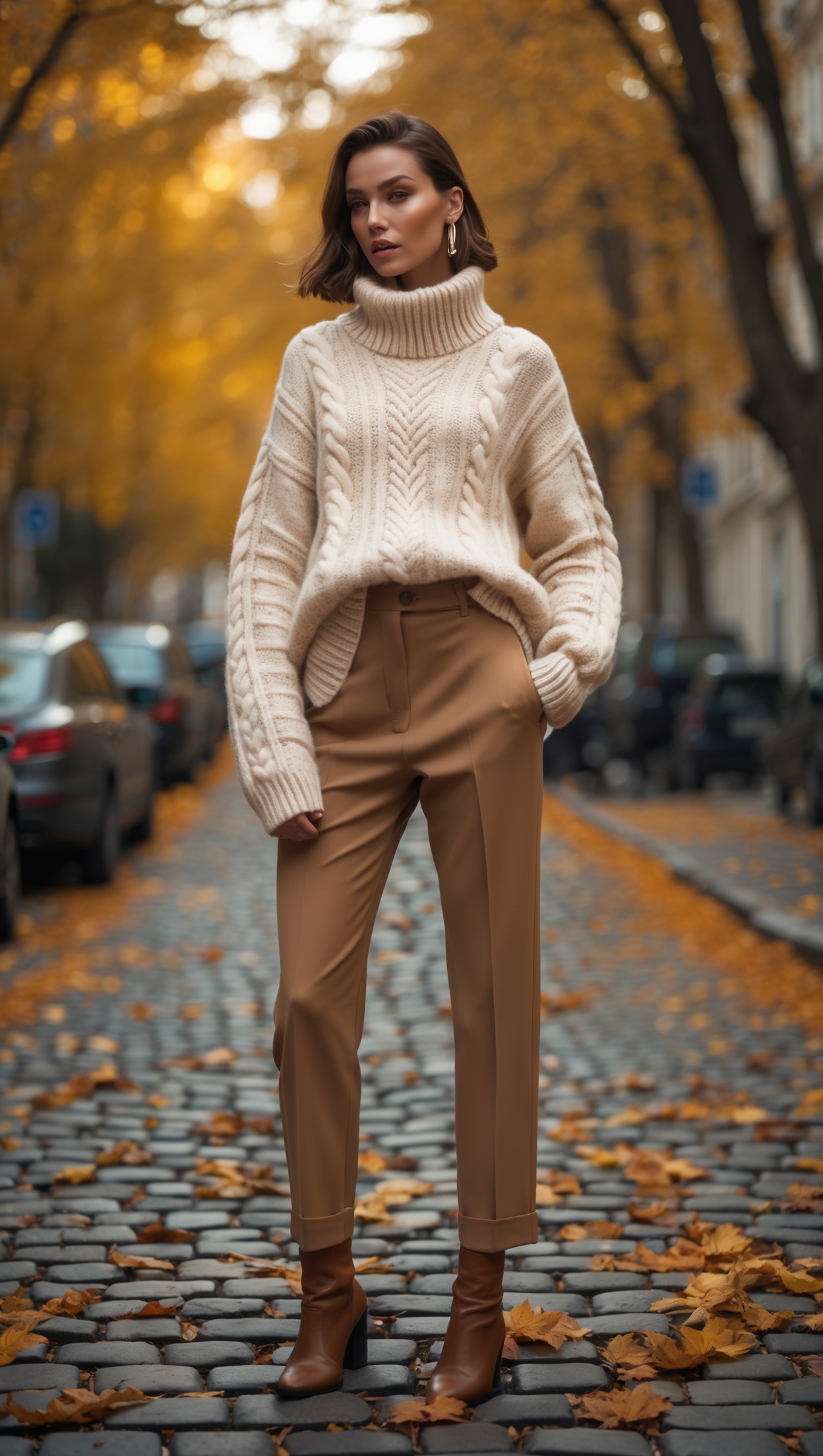
Natural light remains the most accessible and often most flattering option for fashion photography. The key is knowing when and how to use it effectively. Golden hour, occurring during the first hour after sunrise and the last hour before sunset, provides warm, soft light that's incredibly forgiving for skin tones and fabric textures.
Window Light Techniques
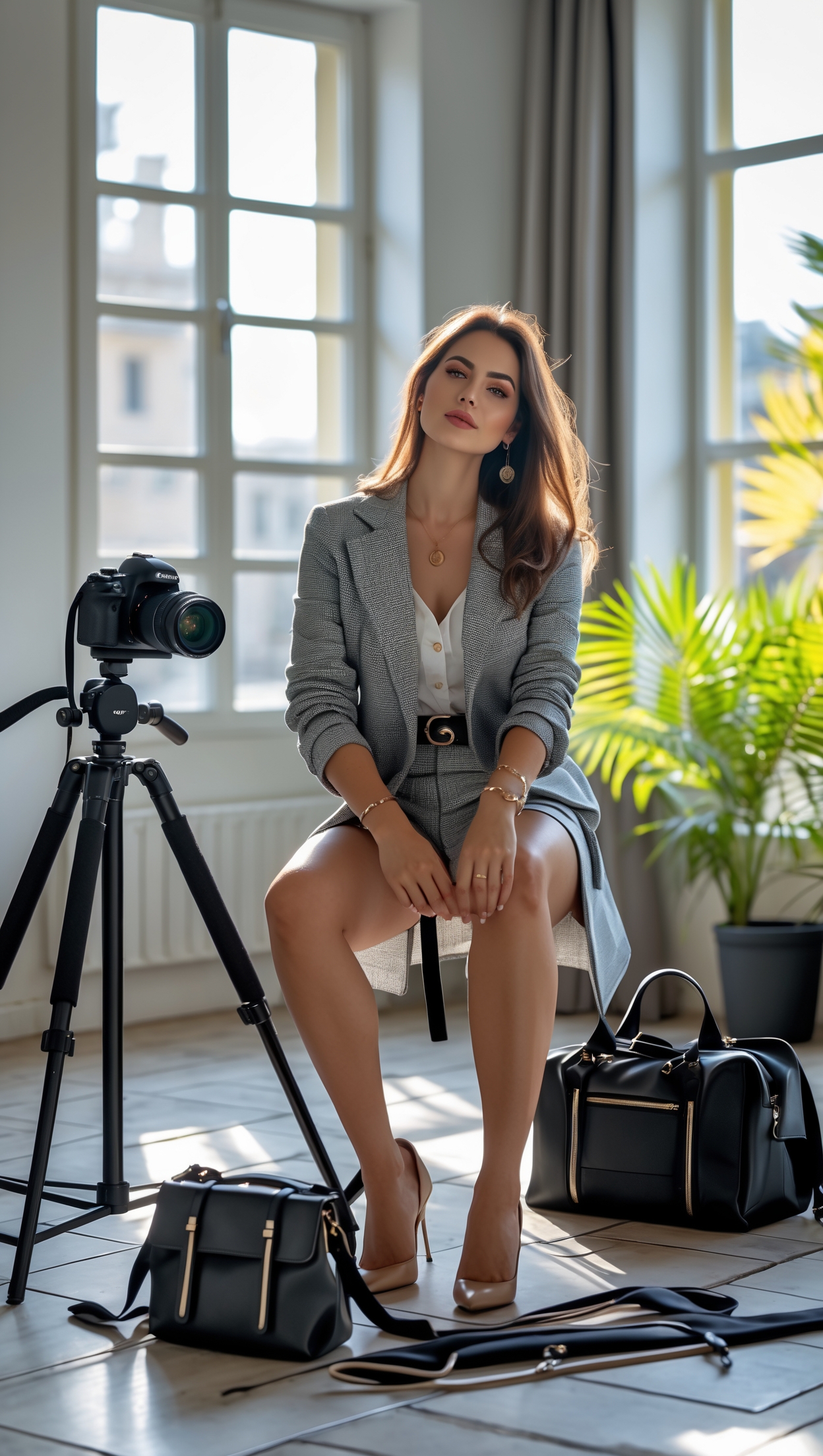
Large windows act as natural softboxes, creating beautiful, even illumination. Position your model at a 45-degree angle to the window for classic portrait lighting, or place them directly facing the window for soft, even coverage. Use white foam core boards or reflectors to bounce light back into shadow areas, preventing harsh contrasts that can obscure garment details.
Overcast days provide nature's own giant softbox. The clouds diffuse sunlight evenly, eliminating harsh shadows and creating perfect conditions for showcasing intricate details in accessories and clothing textures.
Studio Lighting Essentials
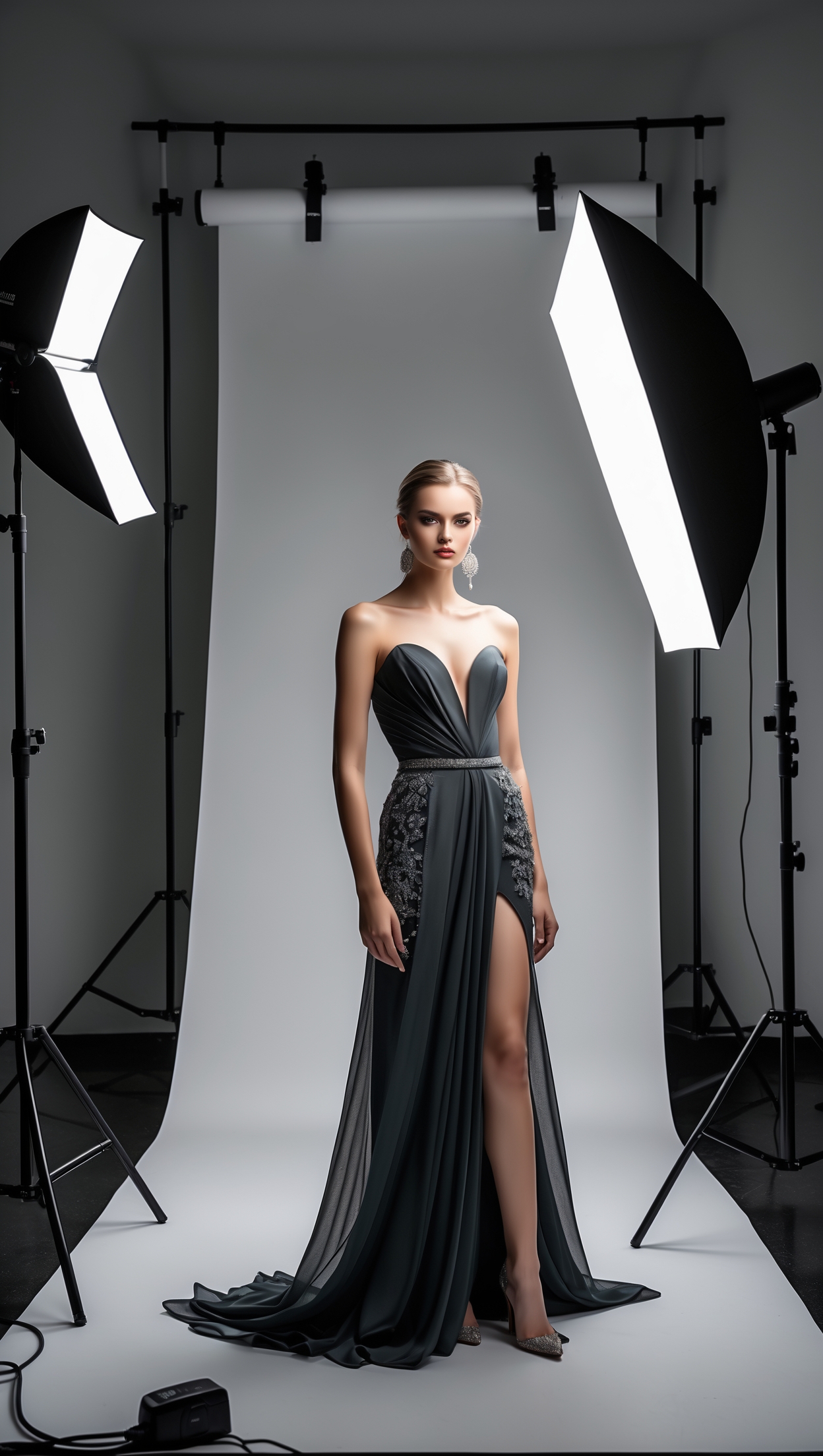
While natural light is beautiful, studio lighting gives you complete control over your fashion shoots. A basic three-point lighting setup consists of a key light, fill light, and background light.
Key Light Placement
Your key light should be your strongest light source, typically placed at a 45-degree angle above and to one side of your subject. This creates dimensional lighting that brings out the form and texture of garments while maintaining flattering shadows on the model's face.
Fill Light Considerations
The fill light reduces shadows created by the key light without eliminating them entirely. Position it on the opposite side of the key light at a lower intensity – typically one to two stops less powerful than your key light.
Lighting Equipment Recommendations
Investing in quality lighting equipment pays dividends in your fashion photography results. Start with continuous LED lights for beginners, as they allow you to see exactly how the light falls on your subject in real-time.
Softboxes and umbrella modifiers are essential for creating even, flattering light. Large softboxes (36" or larger) work particularly well for full-body fashion shots, while smaller modifiers can create more dramatic, focused lighting for detail shots.
Light Meters and Color Temperature
A good light meter ensures consistent exposure across your shoot, while understanding color temperature prevents unwanted color casts. Daylight-balanced lights (5600K) work well for mixing with natural light, while tungsten-balanced options (3200K) create warmer tones.
Advanced Lighting Techniques
Once you've mastered basic lighting setups, experiment with more advanced techniques to create distinctive looks for your fashion photography.
Rim Lighting
Place a light behind your subject to create a rim of light around their silhouette. This technique separates the model from the background and adds a glamorous, editorial feel to your images.
Hard vs. Soft Light
Hard light creates defined shadows and high contrast, perfect for edgy fashion editorials or highlighting geometric clothing designs. Soft light wraps around subjects gently, ideal for romantic or feminine fashion styles.
Troubleshooting Common Lighting Problems
Even experienced photographers encounter lighting challenges. Harsh shadows under the eyes can be softened with a reflector placed below the model's face. Uneven skin tones often result from mixed color temperatures – ensure all your lights match in color temperature.
Hot spots on reflective materials like leather or silk can be eliminated by adjusting your light angle or using larger, more diffused light sources. When shooting jewelry or accessories, watch for unwanted reflections that can distract from the piece itself.
Post-Production Lighting Enhancement
While getting lighting right in-camera is crucial, post-production allows you to fine-tune your results. Adjust highlights and shadows selectively, enhance fabric textures through careful sharpening, and correct any minor color temperature inconsistencies.
Dodge and burn techniques can enhance the dimensionality created by your lighting setup, while graduated filters can balance exposure across the frame when working with challenging natural light conditions.
Where to Shop
When building your fashion photography portfolio, having access to quality garments and accessories makes a significant difference. tara-m offers sophisticated pieces perfect for editorial shoots, while Peter Hahn provides classic, timeless fashion that photographs beautifully under any lighting condition. For marketing your fashion photography services, Manychat can help automate client communications, and Design Letters offers stylish branding elements for your photography business. Professional camera accessories and lighting equipment can be found through retailers like CRONJAGER, ensuring you have the technical tools to implement these lighting techniques effectively.
For a touch of luxury and high fashion, MINOX offers an exclusive boutique experience with premium pieces. For even more fashion inspiration and outfit ideas, Voghion offers thousands of on-trend pieces at great prices.